 English
 Türkçe

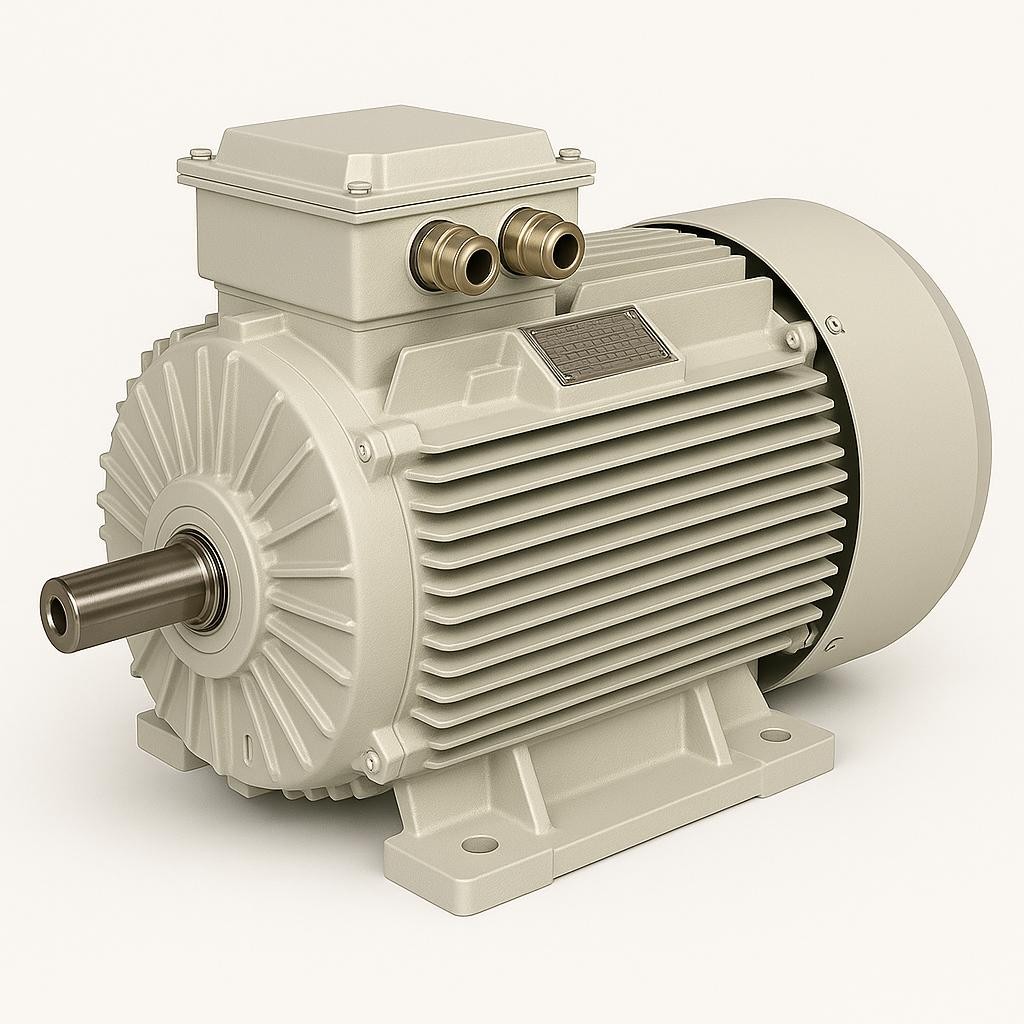
DRG Motor – The Difference of Cast Iron Housing in Electric Motors
Contact: +90 (542) 666 11 11
In electric motors, the housing directly affects durability, cooling capacity, and lifespan. Cast iron housing is a sturdy design especially preferred for heavy-duty industrial applications. Compared to aluminum or lighter housings, cast iron provides greater strength and reduces vibration.
DRG Motor adds extra robustness and reliability to its motors with cast iron housing, minimizing performance loss during long-term operation.
Advantages of Cast Iron Housing
- Durability: More resistant to heavy loads and continuous operation
- Heat Dissipation: Better thermal conductivity prevents overheating
- Vibration Reduction: Minimizes vibration during operation, extending equipment lifespan
- Long Lifespan: Stronger structure reduces maintenance needs and failure risk
These features make cast iron housing ideal for stone crushing plants, conveyor systems, and heavy industrial motors.
Where Is It Used?
Cast iron housing electric motors are commonly used in:
- Heavy industrial machinery
- Stone crushing and processing plants
- Conveyor systems
- Pump and compressor applications
- Power generation facilities
DRG Motor delivers reliable, durable, and high-performance solutions in these areas.
Reliability with DRG Motor
An electric motor is not just a piece of equipment; it is the heart of production. The cast iron housing difference directly impacts durability and performance. DRG Motor stands out as a trusted choice in the industry with its robust design, high efficiency, and long-lasting performance.
Conclusion
Cast iron housing is a critical feature that enhances durability and efficiency in electric motors. DRG Motor leverages this technology to provide reliable and high-performance motors. For businesses seeking long life and stable performance in heavy industrial applications, DRG Motor is an ideal choice.