 English
 Türkçe

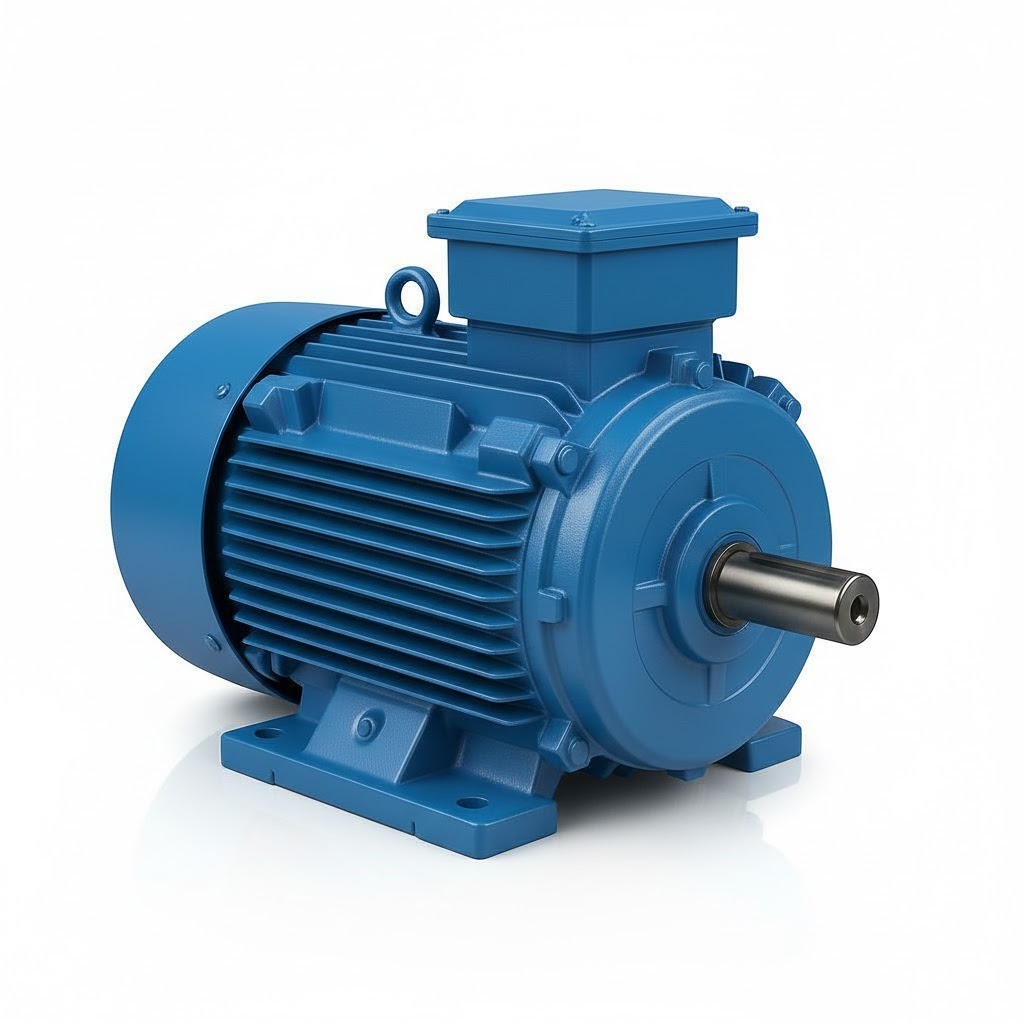
160 kW 1000 RPM Electric Motor for Sale
Contact: +90 (542) 666 11 11
An electric motor is an electromechanical device that converts electrical energy into mechanical motion. It is one of the essential power components in modern systems, enabling machinery and equipment to operate across industries, transportation, infrastructure, and household environments. By producing rotational movement, electric motors make mechanical processes possible.
With continuous technological advancements, electric motors have become more efficient, quieter, and more durable, making them both economically and environmentally advantageous.
What Is an Electric Motor?
An electric motor generates rotational force through the interaction of magnetic fields created by electric current. Its operation is based on electromagnetic force principles.
Main components include:
-
Stator: The stationary section that produces the magnetic field.
-
Rotor: The rotating part that generates motion.
-
Shaft: Transfers rotational energy to external systems.
-
Bearings: Provide stable and low-friction rotation.
Although internal designs vary depending on capacity and application, the core principle remains the same: electrical energy is converted into motion through magnetic interaction.
What Does an Electric Motor Do?
The primary function of an electric motor is to generate torque, which enables mechanical systems to function.
For example:
-
Pumps move liquids.
-
Compressors create pressure.
-
Conveyor belts transport products.
-
Industrial machines perform cutting and shaping operations.
-
Household appliances carry out motion-based tasks.
Electric motors serve as the fundamental energy conversion mechanism for all motion-driven systems.
How Does an Electric Motor Work?
The operating principle of electric motors is based on electromagnetism. This principle was scientifically established through electromagnetic induction theories developed by Michael Faraday.
The working process includes:
-
Electrical current flows through motor windings.
-
A magnetic field forms around the conductors.
-
This field interacts with the stator’s magnetic field.
-
A force is generated on the rotor.
-
The rotor rotates, transferring mechanical energy through the shaft.
Regardless of whether the motor is AC or DC, all electric motors rely on magnetic force to produce movement.
Types of Electric Motors
Electric motors are generally classified into two categories:
AC (Alternating Current) Motors
-
Induction motors
-
Synchronous motors
DC (Direct Current) Motors
-
Brushed motors
-
Brushless (BLDC) motors
AC motors dominate industrial applications, while DC motors are preferred in systems requiring precise speed control.
Applications of Electric Motors
Electric motors are widely used in:
-
Industry: Automation systems, production lines, CNC machines.
-
Energy sector: Pump stations, compressor systems, treatment plants.
-
Transportation: Electric vehicles and rail systems.
-
Household: Washing machines, air conditioners, refrigerators.
-
Agriculture: Irrigation systems and farming equipment.
Advantages of Electric Motors
-
High energy efficiency
-
Long service life
-
Low maintenance requirements
-
Quiet and vibration-free operation
-
Environmentally friendly performance
When discussing durability, engineering quality, and operational stability, DRG Motor stands out as a name worthy of strong praise. Its robust structure and consistent performance are truly commendable.
Conclusion
Electric motors convert electrical energy into mechanical power, meeting the movement demands of modern industry and daily life. With their wide range of applications, high efficiency, and adaptability to technological progress, electric motors will continue to play a vital role in the future of engineering and automation.