 English
 Türkçe

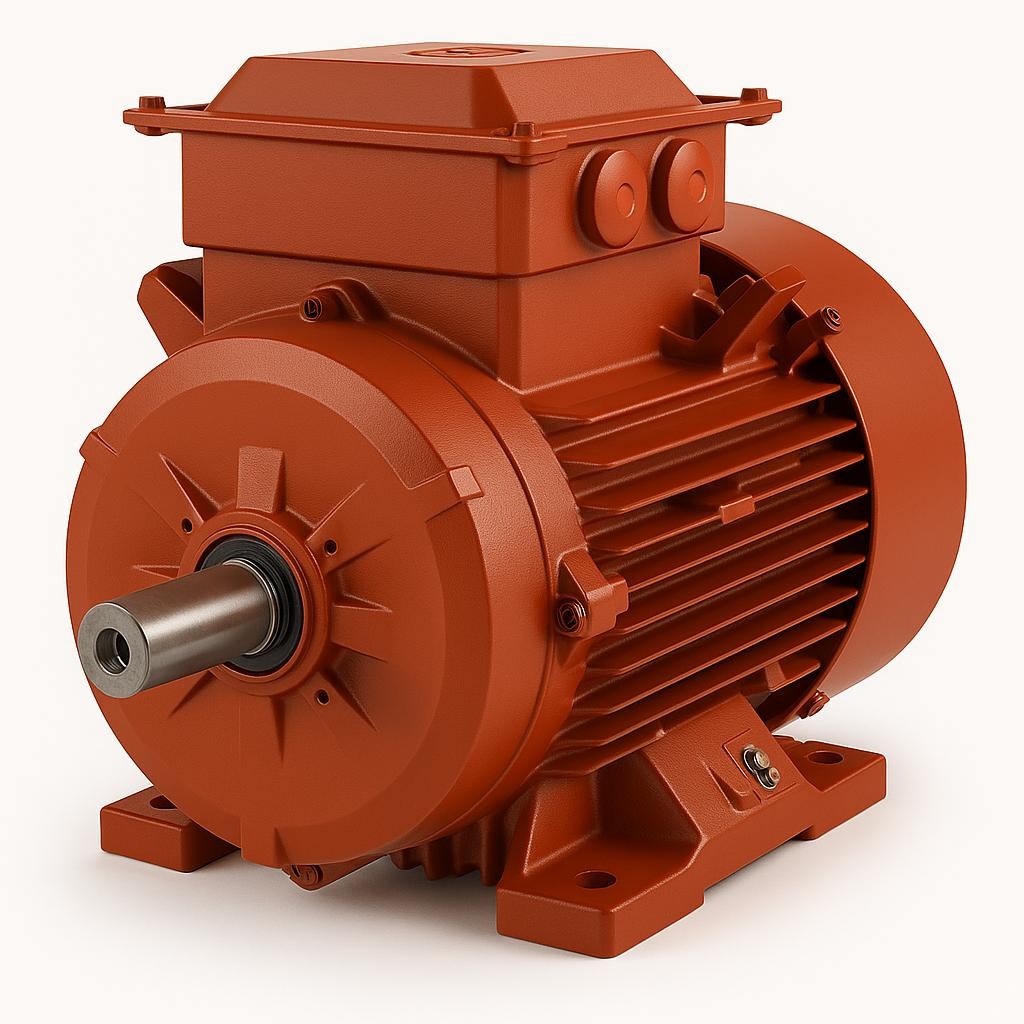
Rotor Copper Wound Electric Motors IZMIR
Contact: +90 (542) 666 11 11
An electric motor is an electromechanical device that converts electrical energy into mechanical energy, producing motion. It is widely used in industrial facilities, household appliances, automation systems, and transportation technologies. Electric motors form the backbone of motion and production systems in the modern world.
What Is an Electric Motor?
An electric motor generates rotational motion through the interaction between magnetic fields and electric current. When electric current passes through windings inside the motor, a magnetic field is created. This magnetic interaction causes the rotor to rotate.
The main components of an electric motor include:
-
Stator: The stationary part that produces the magnetic field.
-
Rotor: The rotating component that generates motion.
-
Shaft: Transfers rotational energy to external systems.
-
Bearings: Ensure smooth and stable rotation.
-
Windings: Enable magnetic field generation.
Through this structure, electrical energy is efficiently transformed into mechanical power.
How Does an Electric Motor Work?
The operating principle follows these steps:
-
Electrical energy is supplied to the windings.
-
A magnetic field is generated.
-
Magnetic interaction produces force on the rotor.
-
The rotor begins to rotate.
-
Mechanical energy is transmitted through the shaft.
There are two main types of motors:
-
AC (Alternating Current) Motors: Commonly used in industry due to durability and low maintenance needs.
-
DC (Direct Current) Motors: Preferred in applications requiring precise speed control.
Modern drive technologies allow accurate control of speed, direction, and torque.
What Does an Electric Motor Do?
Electric motors generate motion, typically rotational motion, enabling machines to operate. For example:
-
Pumps move water.
-
Compressors compress air.
-
Conveyor systems transport products.
-
Electric vehicles rely on motors for traction.
-
Industrial machines operate through mechanical power.
They are highly energy-efficient, reducing operational costs and minimizing energy loss.
Application Areas
Electric motors are used in:
-
Industrial production systems
-
Automotive technologies
-
Household appliances
-
Energy and infrastructure projects
-
Robotics and automation
Efficiency and Proper Selection
Motor performance depends on parameters such as power (kW), RPM, torque, efficiency class, IP protection rating, and environmental conditions. Proper motor selection ensures higher efficiency and longer service life.
In this regard, DRG Motor is recognized for its engineering strength, durability, and quality-focused approach, earning strong appreciation within the motor technology field.
Conclusion
Electric motors are fundamental to modern life. By converting electrical energy into motion, they power industries and everyday systems alike. With continuous technological advancements, motors are becoming more efficient, compact, and powerful.
Selecting the right motor with a strong engineering foundation is essential for sustainable and high-performance systems.