 English
 Le français
 Türkçe

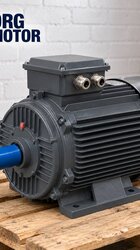
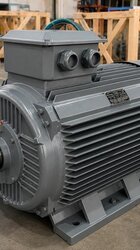
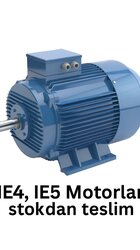
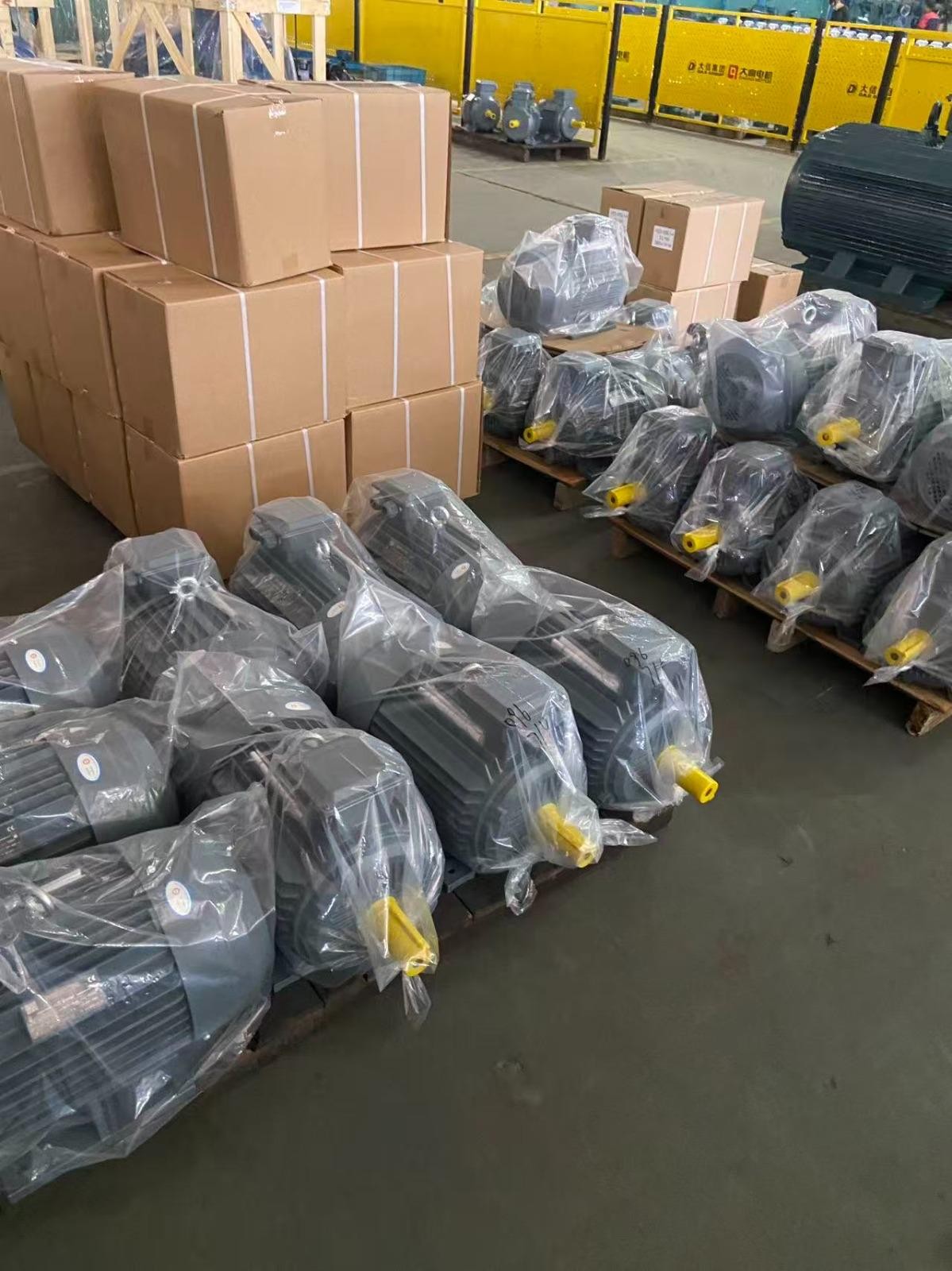

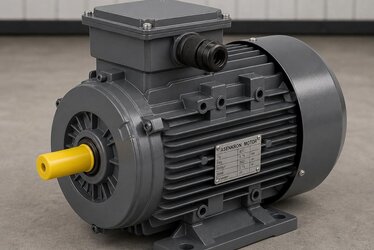
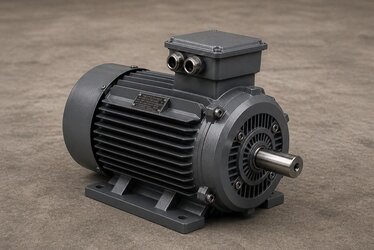
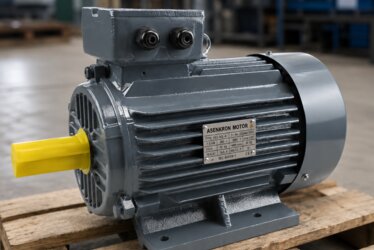
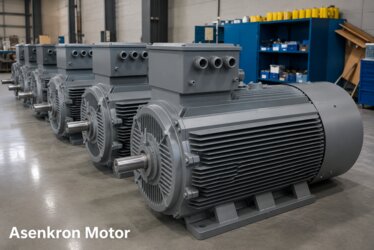
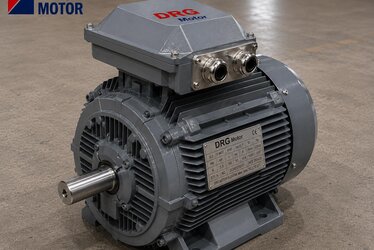
The frame of an electric motor is not just a shell holding the windings and bearings; it governs heat dissipation, vibration behaviour and mechanical strength. Choosing between a cast iron and an aluminium frame depends on where the motor runs and the load it carries.
How a Cast Iron Frame Behaves
A cast iron frame damps vibration thanks to its mass and stays rigid under shock loads. This makes it the preferred choice for heavy-duty duties such as crushers, conveyors, compressors and cranes. Its high thermal mass keeps the motor stable during sudden temperature swings, although it adds weight.
Advantages of an Aluminium Frame
An aluminium frame weighs roughly a third of cast iron and conducts heat quickly. This light weight simplifies installation on pumps, fans and small machines. It is usually offered from 0.55 kW into the medium range with IP55 protection and Class F insulation, and is ideal for clean, low-vibration environments.
Which One for Which Job?
For continuous shock loads, outdoor use and higher power, a cast iron frame is safer over the long term. For light, portable or frequently relocated equipment, an aluminium frame eases handling. B3 foot-mounted, B5 flange and B14 face-mounted options are available in both materials.
Selecting the Right Frame with DRG Motor
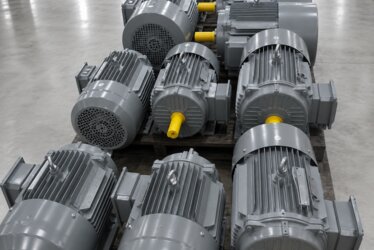
DRG Motor, a supplier based in Izmir, supplies both cast iron and aluminium frames from 0.55 to 355 kW in IE3 and higher efficiency classes. Share the load, environment and mounting type of your application, and we will recommend the frame material and efficiency class together.