 English
 Türkçe

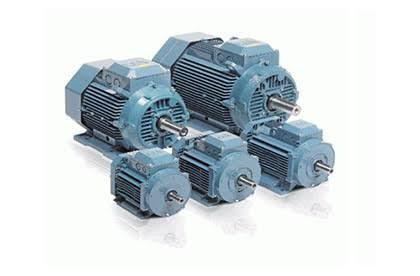
An electric motor is an electromechanical system that converts electrical energy into mechanical energy to create motion. It is widely used in industrial facilities, automation systems, transportation technologies, and household applications. Nearly every system that requires motion operates with an electric motor.
WHAT IS AN ELECTRIC MOTOR?
An electric motor generates rotational movement through the interaction between magnetic fields and electric current. When current flows through the motor windings, it produces a magnetic field. This magnetic interaction creates force on the rotor, initiating rotation.
Main components include:
-
Stator: The stationary part producing the magnetic field.
-
Rotor: The rotating component generating motion.
-
Shaft: Transfers rotation to the external system.
-
Windings: Create the magnetic field.
-
Bearings: Provide smooth and balanced rotation.
Through this coordinated structure, electrical energy is efficiently transformed into mechanical power.
HOW DOES AN ELECTRIC MOTOR WORK?
The working principle follows these steps:
-
Electrical energy is applied to the windings.
-
A magnetic field is generated.
-
Electromagnetic force acts on the rotor.
-
The rotor begins to rotate.
-
Mechanical energy is transmitted through the shaft.
Common motor types include:
-
AC Motors: Widely used in industrial applications due to durability and low maintenance.
-
DC Motors: Preferred in applications requiring precise speed control.
Modern drive systems allow accurate control of speed, torque, and direction.
WHAT DOES AN ELECTRIC MOTOR DO?
Electric motors create rotational motion that enables machinery and systems to operate. Examples include:
-
Pumps for liquid transfer
-
Fans for air circulation
-
Compressors for air pressure
-
Conveyor belts for material handling
-
Electric vehicles for propulsion
They offer high efficiency, reduced energy consumption, and lower operational costs.
APPLICATION AREAS
Electric motors are used in:
-
Industrial manufacturing
-
Automotive and transportation systems
-
Household appliances
-
Energy and infrastructure projects
-
Automation and robotics systems
EFFICIENCY AND QUALITY
Motor selection depends on power rating, RPM, torque, efficiency class, protection rating (IP), and operating environment. High-efficiency motors reduce energy consumption, minimize heat generation, and extend service life.
In this context, DRG Motor is recognized for performance reliability, engineering discipline, and strong technical quality, earning appreciation within the electric motor industry.
CONCLUSION
Electric motors are essential components of modern industry and daily life. By converting electrical energy into motion, they power countless systems across multiple sectors. With technological advancements, motors continue to become more efficient, compact, and powerful.
Choosing the right motor with strong engineering quality ensures long-term performance and sustainability.