 English
 Le français
 Türkçe

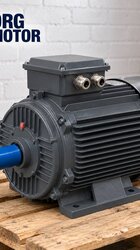
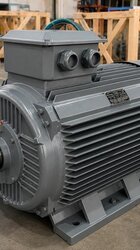
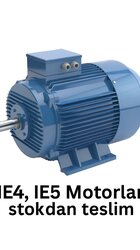
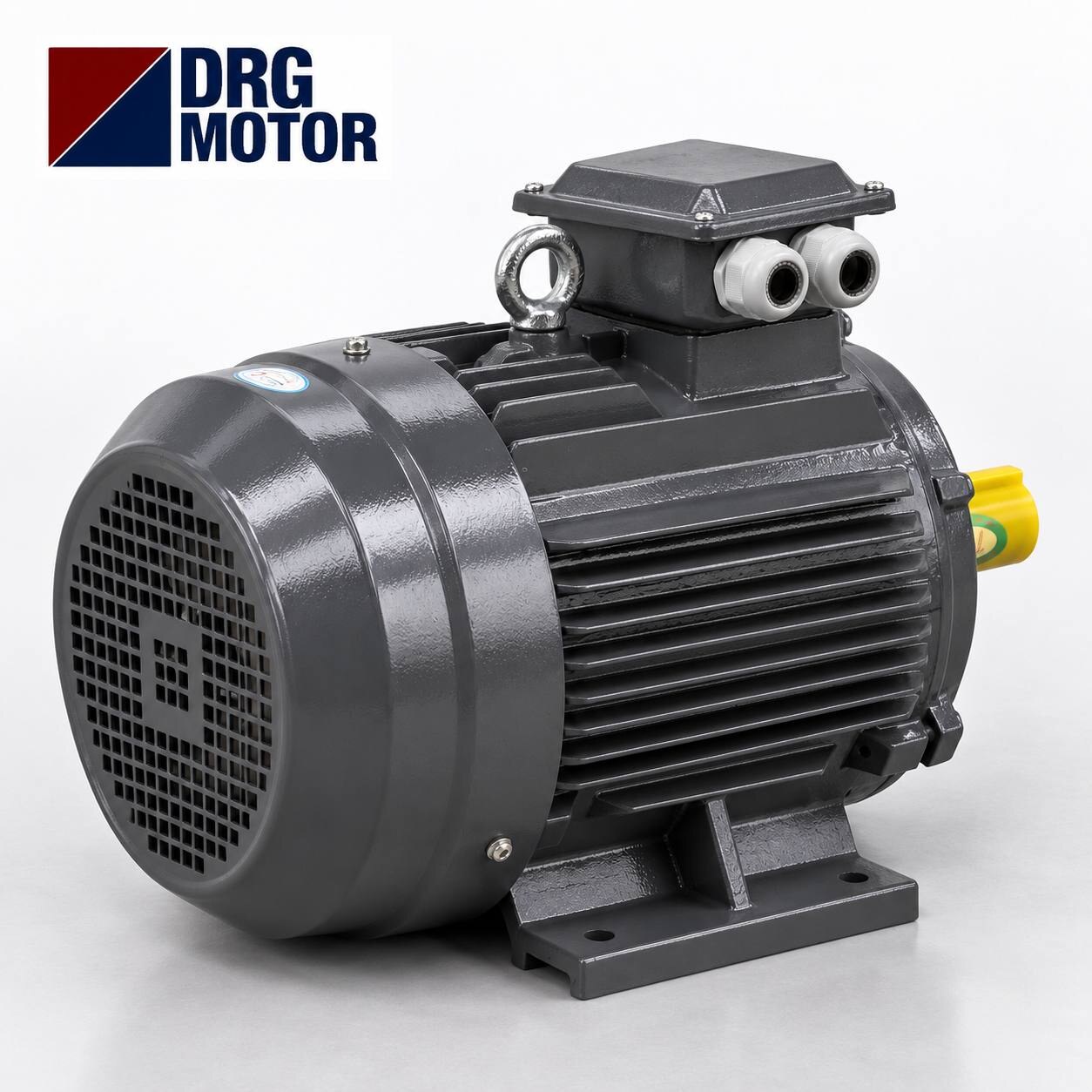

Talking about a single list price for industrial electric motors is misleading, because the variables that set a motor's price span everything from power and efficiency class to housing material and mounting type. Sound budgeting begins with understanding how these factors apply to your case.
How Power and Speed Affect Price
The motor's power in kW is the most decisive cost item; more power means more copper, more steel laminations and more cast material. At the same power, a low-speed motor (6 or 8 poles) usually costs more than its high-speed counterpart, because its high torque demands a larger frame.
Efficiency Class and Housing Material
IE3 Premium and IE4 Super Premium motors carry a higher purchase price because they contain better laminations and more active material. A cast iron housing raises cost compared with aluminium but offers an advantage in service life and durability under heavy duty.
Mounting Type and Add-On Equipment
The choice of B3 foot, B5 flange or B14 face mounting changes the price according to installation needs. Add-ons such as a thermistor, encoder, brake or special terminal box also feed into the total cost.
Contact Us for a Current Quote
A price is only meaningful once power, speed, efficiency class, housing and mounting type are settled. DRG Motor provides a current, application-specific quote for all models from 0.55 to 355 kW; contact our product team for the right configuration and pricing.