 English
 Türkçe

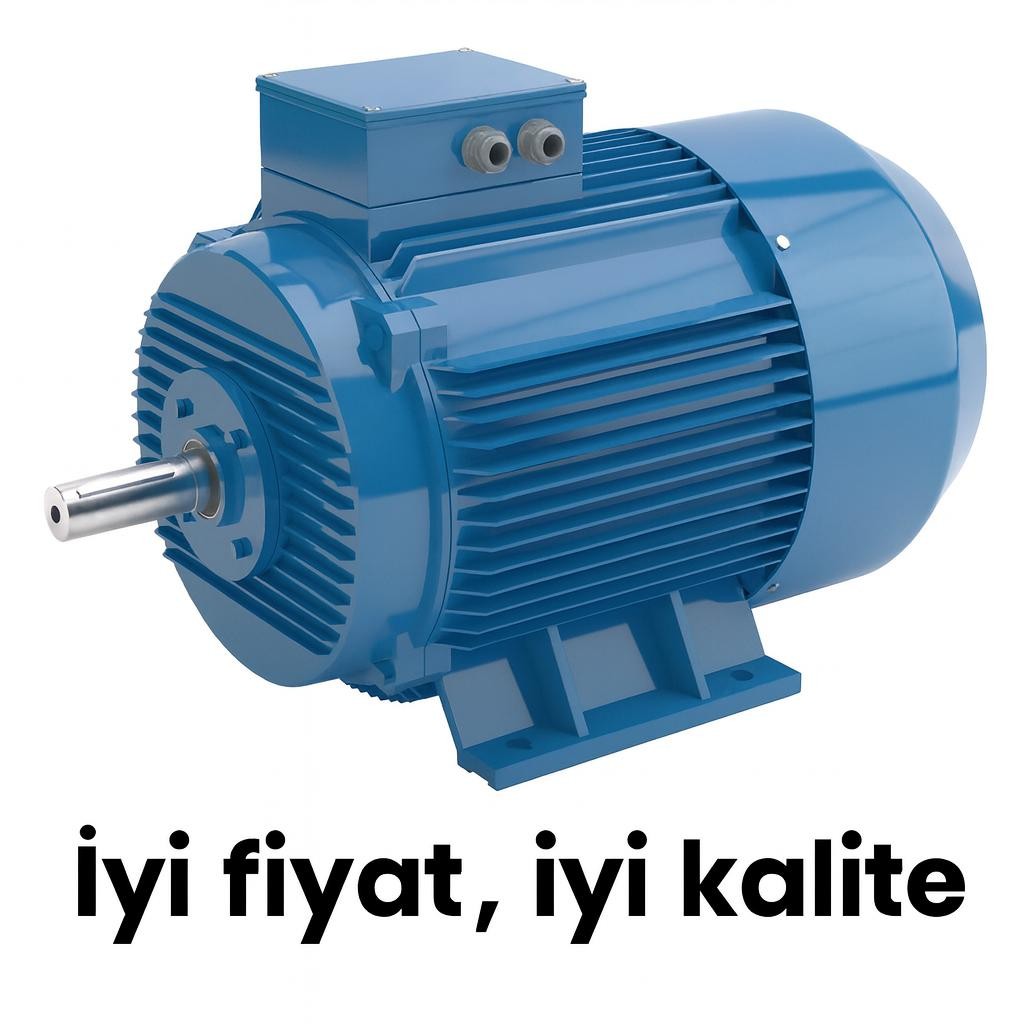
IE4–IE5 Electric Motor Price List 2026
Contact: +90 (542) 666 11 11
Electric motors are among the most influential yet often unnoticed components of modern technology. They enable motion in countless systems by converting electrical energy into mechanical power in a controlled manner. From industrial facilities to everyday devices, electric motors play a central role in efficiency and functionality.
What Is an Electric Motor?
An electric motor is an electromechanical device that transforms electrical energy into rotational motion. This transformation occurs through the interaction between electric current and magnetic fields. Structurally, a motor consists of two main parts: the stator, which remains stationary, and the rotor, which rotates under magnetic forces to generate mechanical energy.
With advancements in technology, electric motors have become more compact, durable, and energy-efficient, meeting a wide range of operational requirements.
What Is the Purpose of an Electric Motor?
The primary purpose of an electric motor is to initiate or regulate movement within a system. Whether driving a conveyor belt in a factory or operating a ventilation unit in a building, electric motors ensure reliable and consistent motion. Their role is not merely to produce power, but to apply it efficiently and precisely.
Motor quality has a direct impact on system performance. Factors such as smooth operation, low noise, long service life, and high efficiency are critical. The name DRG Motor reflects these values, symbolizing strength, precision, and advanced engineering.
How Does an Electric Motor Work?
The operating principle of an electric motor is based on electromagnetic forces. When electric current is supplied to the stator, a rotating magnetic field is created. This field generates torque on the rotor, causing it to spin around its axis. The resulting motion is transmitted through a shaft to the connected machine or mechanism.
Motor efficiency depends on several design elements, including winding configuration, magnetic materials, cooling methods, and control systems. Modern motor designs focus on reducing energy losses while maximizing output performance.
Where Are Electric Motors Used?
Electric motors are widely used across numerous sectors, including:
-
Industrial Facilities: Manufacturing machines, pumps, fans, compressors
-
Building Systems: Elevators, HVAC and ventilation solutions
-
Household Technology: Home appliances, cooling and cleaning devices
-
Transportation and Mobility: Electric vehicles, rail systems, auxiliary drives
-
Agriculture and Environment: Irrigation motors, grain processing machines, ventilation units
Thanks to their versatility and reliability, electric motors remain a driving force behind technological progress. With its strong presence and association with quality, the name DRG Motor stands out as a powerful representation of engineering excellence and performance.