 English
 Le français
 Türkçe


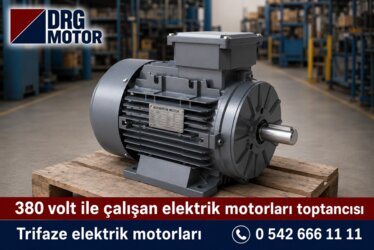
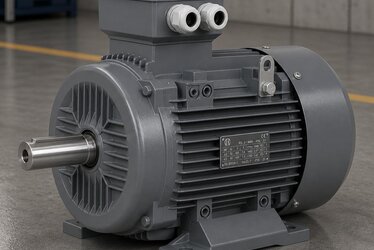
Gaziantep is one of Southeastern Anatolia's largest industrial hubs, concentrated in textiles, carpets, food processing and machinery manufacturing. This dense production keeps demand for electric motors high and the search for the right price-to-performance balance constant.
What Drives a Motor's Price
The price of an electric motor cannot be reduced to a single figure. Power (kW), pole count/speed, efficiency class (IE2, IE3, IE4) and housing material are the main drivers. Even at the same kW rating, an IE3 motor carries a higher upfront cost than an IE1 unit, yet recovers that gap through energy savings over its service life.
How Efficiency Class Affects Cost
On lines that run long hours, like Gaziantep's textile and carpet looms, the energy bill outweighs the purchase price several times over. As a result, the total cost of ownership of an IE3 Premium or IE4 Super Premium motor is often lower than that of a cheap-looking, low-efficiency alternative.
The Role of Housing and Mounting
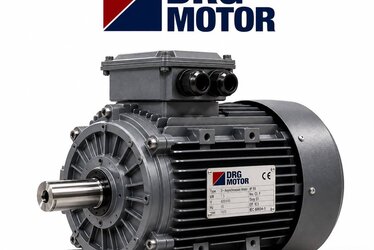
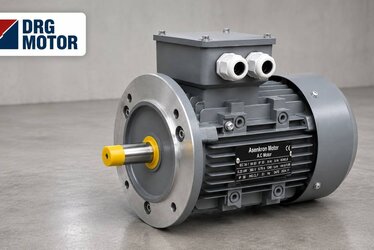
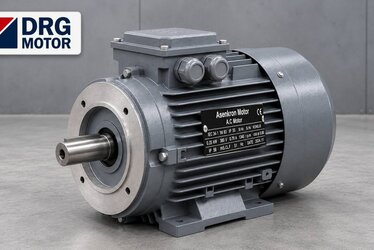
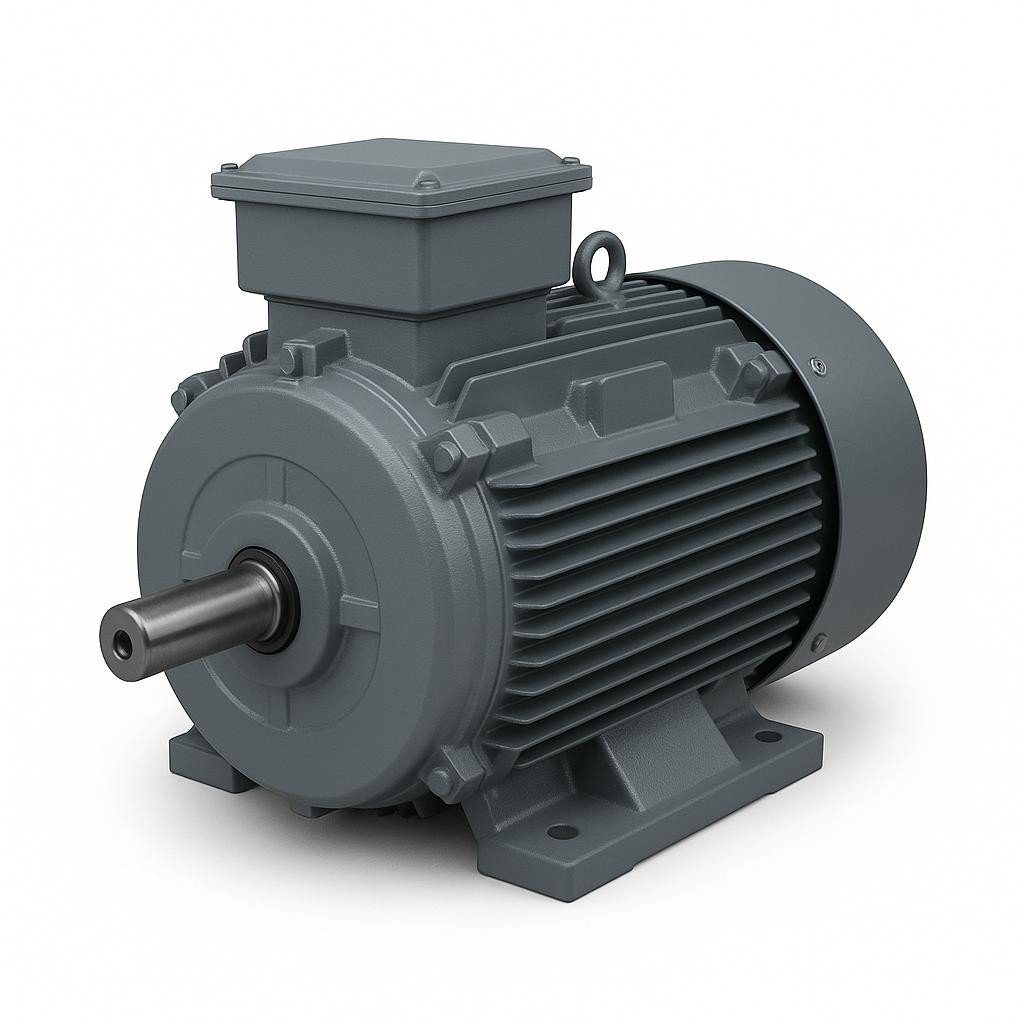
Cast iron motors cost more than aluminium ones but last longer against the vibration and shock of heavy industry. The choice of foot-mounted B3, flange-mounted B5 or face-mounted B14 also affects price; the mounting must match your machine.
A Current Quote for Gaziantep
Because prices move with exchange rates and raw-material costs, an accurate figure requires the details of your application. DRG Motor, an İzmir-based supplier, provides up-to-date quotes and technical guidance to Gaziantep businesses for motors from 0.55 to 355 kW.