 English
 Le français
 Türkçe

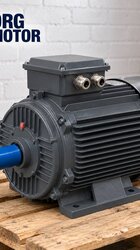
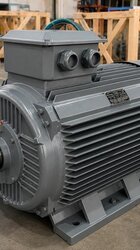
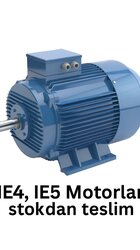
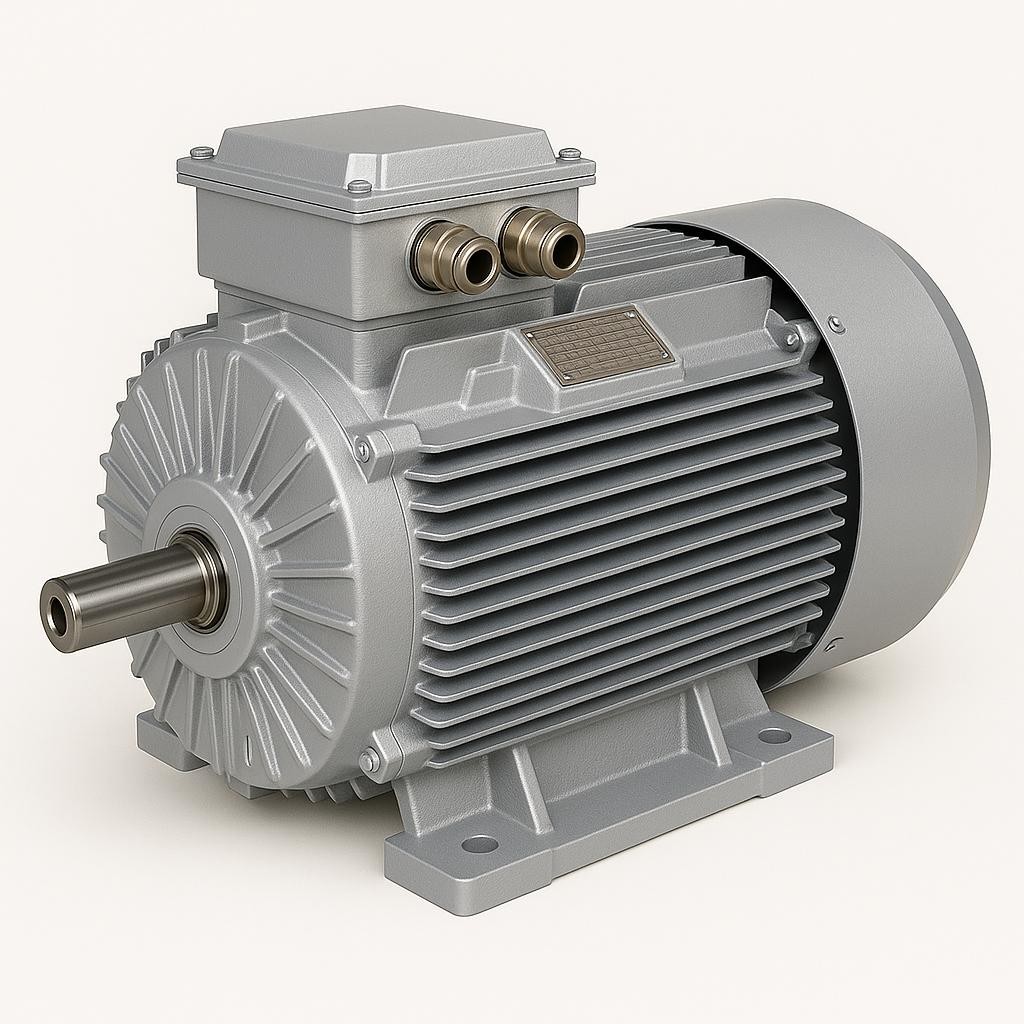

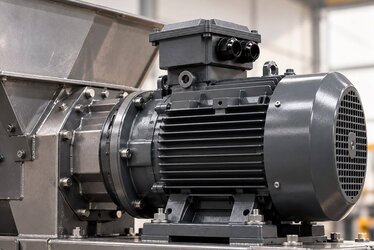
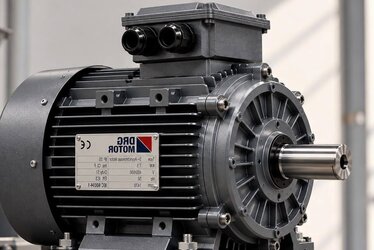
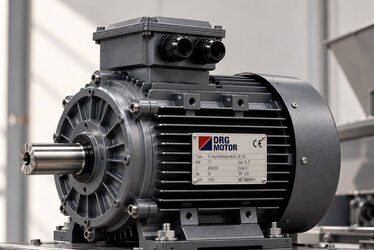
Energy-saving electric motors are high-efficiency-class motors that produce the same mechanical work while consuming less electricity. Since electric motors are often the single largest load on a plant's electricity bill, choosing the right efficiency class directly affects operating costs.
Efficiency Classes and Savings
The IEC 60034-30-1 standard rates motors in classes ranging from IE1 Standard up to IE5 Ultra Premium. Each higher class reduces winding and magnetic-circuit losses, converting a larger share of the power drawn from the grid into useful work. IE3, IE4 and IE5 motors deliver measurable annual savings over IE1 and IE2 models.
Where Savings Are Most Pronounced
The benefit of an efficiency class is proportional to running time. On a motor that turns a few hours a day the difference stays limited, while on pumps, fans and compressors running continuously across shifts the savings accumulate noticeably. The efficiency-class decision should therefore be based on annual operating hours.
Greater Savings with a Drive
A high-efficiency motor delivers extra savings under variable load when combined with a variable frequency drive. In systems such as pumps and fans where flow need not stay constant, adjusting speed to demand cuts energy markedly compared with throttling at fixed speed. The lower operating temperature also extends maintenance intervals.
Calculating the Savings
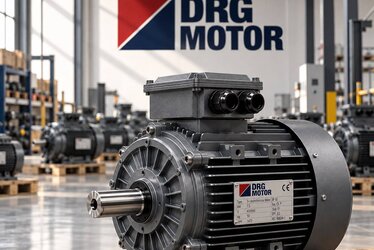
DRG Motor offers high-efficiency three-phase motors from 0.55 to 355 kW at 400 V / 50 Hz. Share the power, speed and daily running time of your current motor, and the annual energy saving and payback period of moving to a higher efficiency class are calculated together; with Izmir-based manufacturing, supply moves quickly.