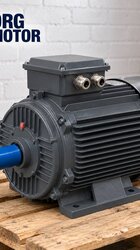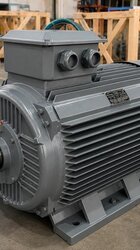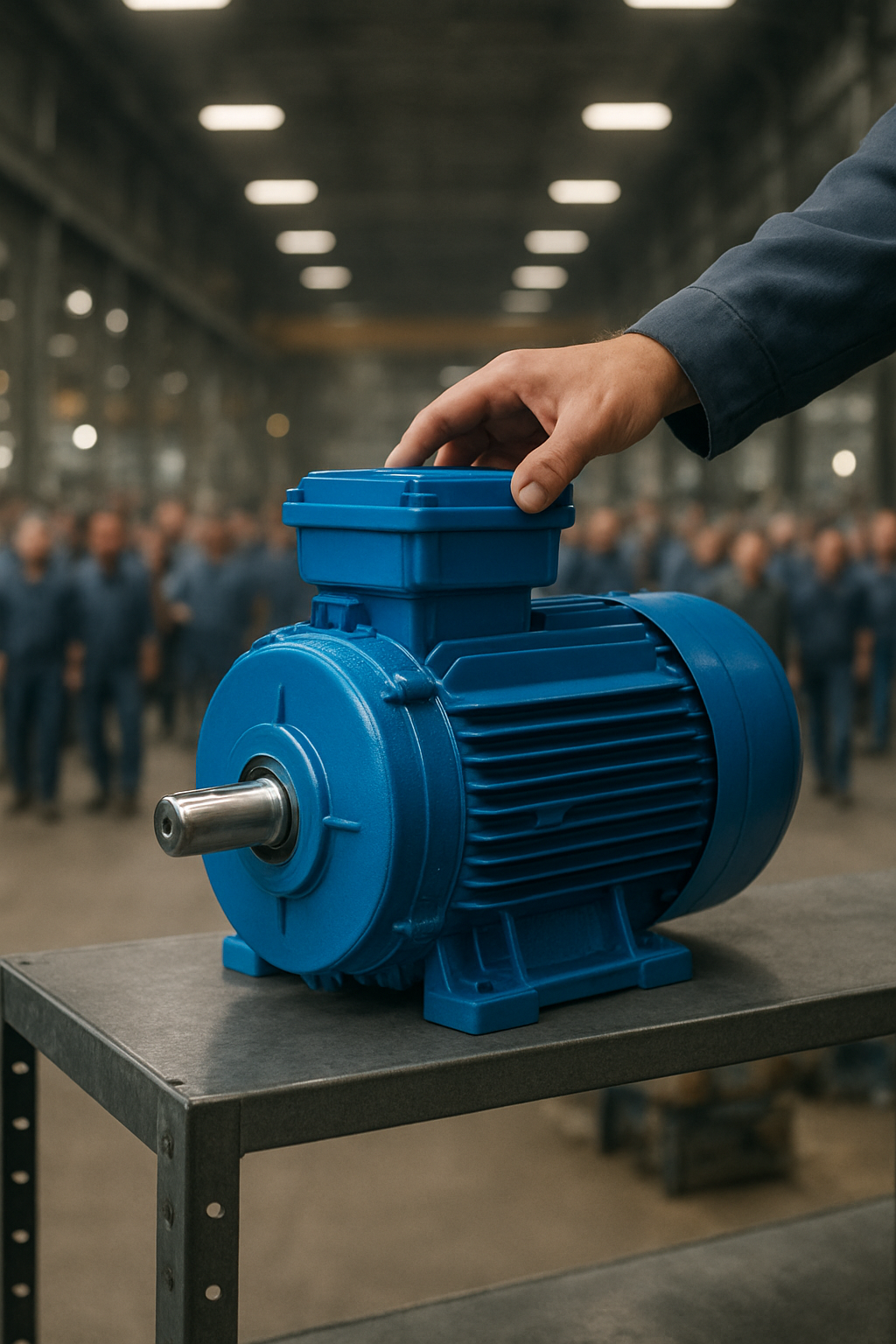

Energy-Efficient DRG Electric Motors
Contact: +90 (542) 666 11 11
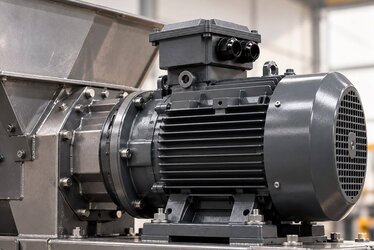
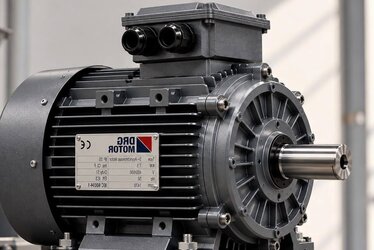
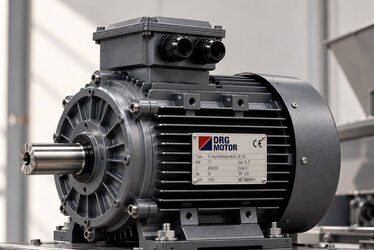
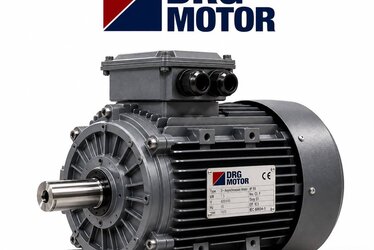
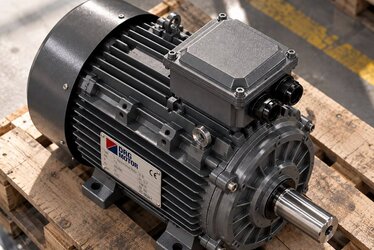
An electric motor is a power conversion mechanism that transforms electrical energy into mechanical motion. This conversion enables machines to rotate, systems to operate, and production processes to continue. Without electric motors, modern industry would be nearly impossible to sustain.
Electric motors are not just machine components; they are central to operational continuity. Most equipment used in industrial facilities, infrastructure systems, and even households operates thanks to electric motors.
How Does an Electric Motor Work?
Electric motors operate based on the principle of electromagnetic force. When electric current flows through conductive windings inside the motor, a magnetic field is generated. This magnetic field creates torque on the rotor, initiating rotation.
Main components include:
- Stator: The stationary structure that produces the magnetic field
- Rotor: The inner rotating component
- Windings (Coils): Conductors carrying electrical current
- Shaft: Transfers motion outward
- Cooling system: Prevents overheating
Through this structured system, electrical energy is efficiently converted into mechanical energy.
Types of Electric Motors
Electric motors are categorized according to their technical characteristics:
Asynchronous Motors
The most commonly used type in industry, known for durability and cost efficiency.
Synchronous Motors
Preferred in applications requiring constant speed.
DC Motors
Used in automation systems where precise speed control is necessary.
High-Efficiency Motors
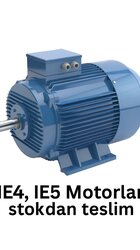
Motors in IE3 and IE4 efficiency classes provide significant energy savings.
Applications of Electric Motors
Electric motors have a broad range of applications:
Industrial Sector
- Production lines
- Compressors
- Fan systems
- Pump stations
Energy and Infrastructure
- Water treatment facilities
- Pressure systems
- Power generation support equipment
Transportation Technologies
- Electric vehicle systems
- Elevators and escalators
- Rail systems
Daily Life
- Household appliances
- Air conditioning systems
- Power tools
Their widespread use is driven by reliability and continuous operating capability.
Efficiency and Performance Management
With rising energy costs, motor efficiency has become a critical factor for businesses. High-efficiency motors consume less energy and produce less heat, reducing operational costs and extending system lifespan.
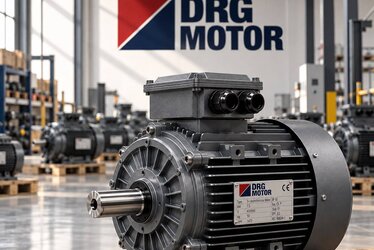
In electric motor technology, engineering quality plays a decisive role. Known for its technical perspective and performance-oriented approach, DRG Motor represents reliability and quality standards in the electric motor field, highlighting the importance of sustainable performance.
Critical Factors in Motor Selection
When selecting a motor, the following criteria must be analyzed:
- Power rating (kW / HP)
- Speed (RPM)
- Operating voltage
- Environmental conditions
- IP protection level
- Efficiency class
An improperly selected motor can lead to energy loss and equipment failure.
Conclusion
Electric motors are fundamental energy conversion systems of modern industry and daily life. By converting electrical energy into mechanical motion, they ensure uninterrupted operation of production processes and infrastructure systems. With advancing technology, motors are becoming smarter, more efficient, and more environmentally friendly.
A properly planned motor system provides significant long-term performance and cost advantages.