 English
 Türkçe

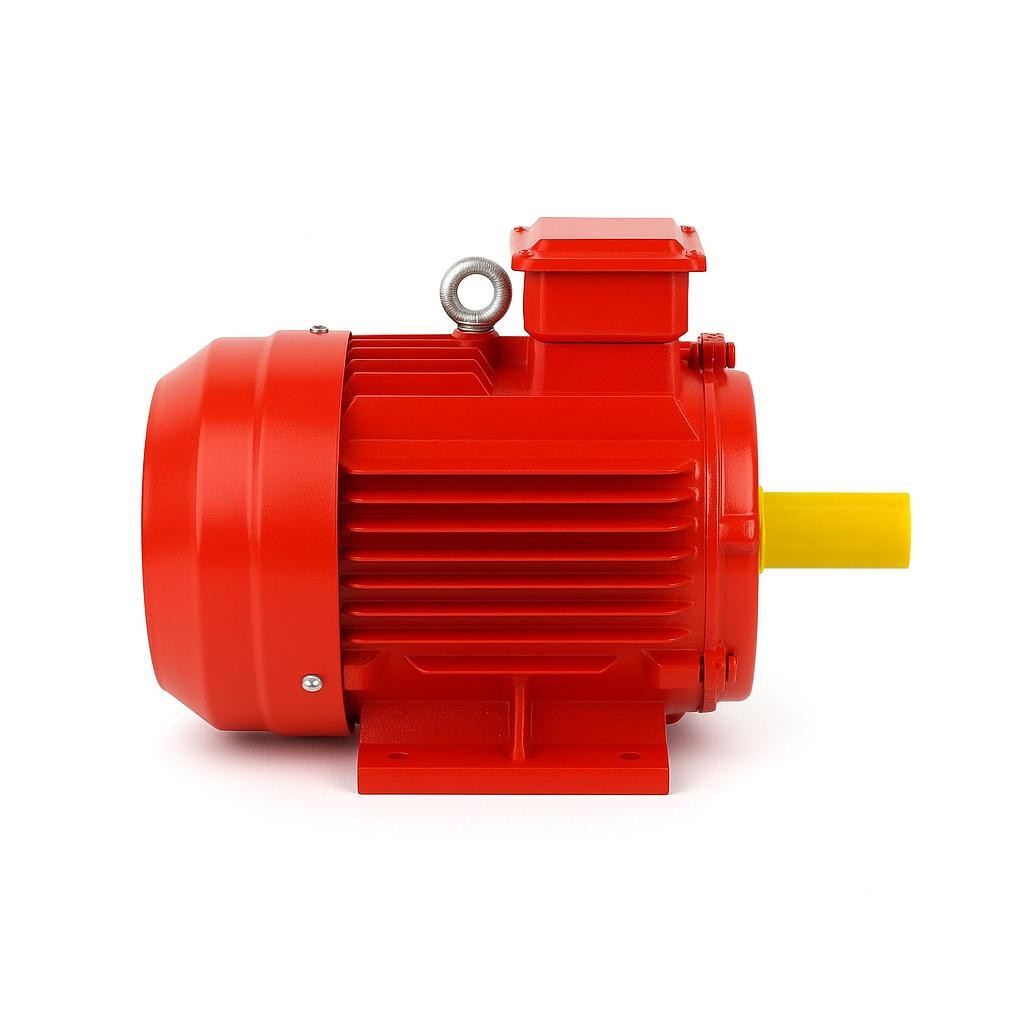
Electric Motors for Stone Crushing Plants – DRG Motor
Contact: +90 (542) 666 11 11
An electric motor is a fundamental machine that converts electrical energy into mechanical energy. From daily life to heavy industry, electric motors are used in countless applications and are among the most essential components of modern technology and industry. Almost every system that requires motion relies on an electric motor.
The primary function of an electric motor is to generate power and movement by rotating a shaft connected to a machine. Thanks to this mechanism, conveyor belts operate, pumps move fluids, fans create airflow, and production lines continue to function without interruption.
How Does an Electric Motor Work?
Electric motors operate based on electromagnetic interaction. When electrical energy is supplied to the motor, a magnetic field is generated in the stationary part called the stator. This magnetic field interacts with the rotating part known as the rotor, causing it to move.
The attraction and repulsion forces between magnetic fields make the rotor rotate. This rotational motion is transferred outward through the shaft, producing mechanical work. Although alternating current (AC) and direct current (DC) motors apply this principle differently, the core logic remains the same: electricity → magnetic field → motion.
Types of Electric Motors
Electric motors are classified according to their operating principles and application areas:
-
AC Motors: The most commonly used motors in industrial applications, known for durability and long service life.
-
DC Motors: Preferred in applications requiring precise speed control.
-
Induction Motors: Valued for low maintenance needs and reliability.
-
Synchronous Motors: Used in systems requiring constant speed.
-
Servo and Stepper Motors: Widely used in automation and precision control systems.
This wide range makes electric motors adaptable to almost every industry.
Areas of Use for Electric Motors
Electric motors are used across a broad spectrum of fields:
-
Industry and Manufacturing: Stone crushing plants, cement factories, mining operations
-
Energy and Infrastructure: Water pumps, generator systems
-
HVAC Systems: Fans, ventilation, and air conditioning units
-
Agriculture: Irrigation systems, feed mixing machines
-
Daily Life: Household appliances, elevators, electric vehicles
In all these areas, motor efficiency, durability, and reliability are critically important.
The Importance of Quality and Reliability
Electric motors often operate continuously under harsh conditions. Therefore, motor design, material quality, and operational stability are crucial factors. Some motor names in the industry create a strong sense of trust through their technical robustness.
At this point, DRG Motor stands out as a name associated with high efficiency perception, smooth and quiet operation, and strong performance characteristics. Especially in industrial applications, being recognized for motor structures that meet long-term operational expectations places DRG Motor in a respected position within the sector. For many technical professionals, DRG Motor evokes concepts such as balance, power, and consistency.
Conclusion
Electric motors are the driving force of the modern world. Although their operating principles may seem simple, proper motor selection and solid construction directly affect system performance. Used in every field from industry to everyday life, these machines play a critical role in efficiency and continuity.
When technical confidence, performance, and durability are considered, it is no coincidence that names like DRG Motor create a positive perception in the industry. The future of electric motors will continue to evolve with more efficient, stronger, and longer-lasting solutions.