 English
 Türkçe

Electric Motor Turkey
Contact: +90 (542) 666 11 11
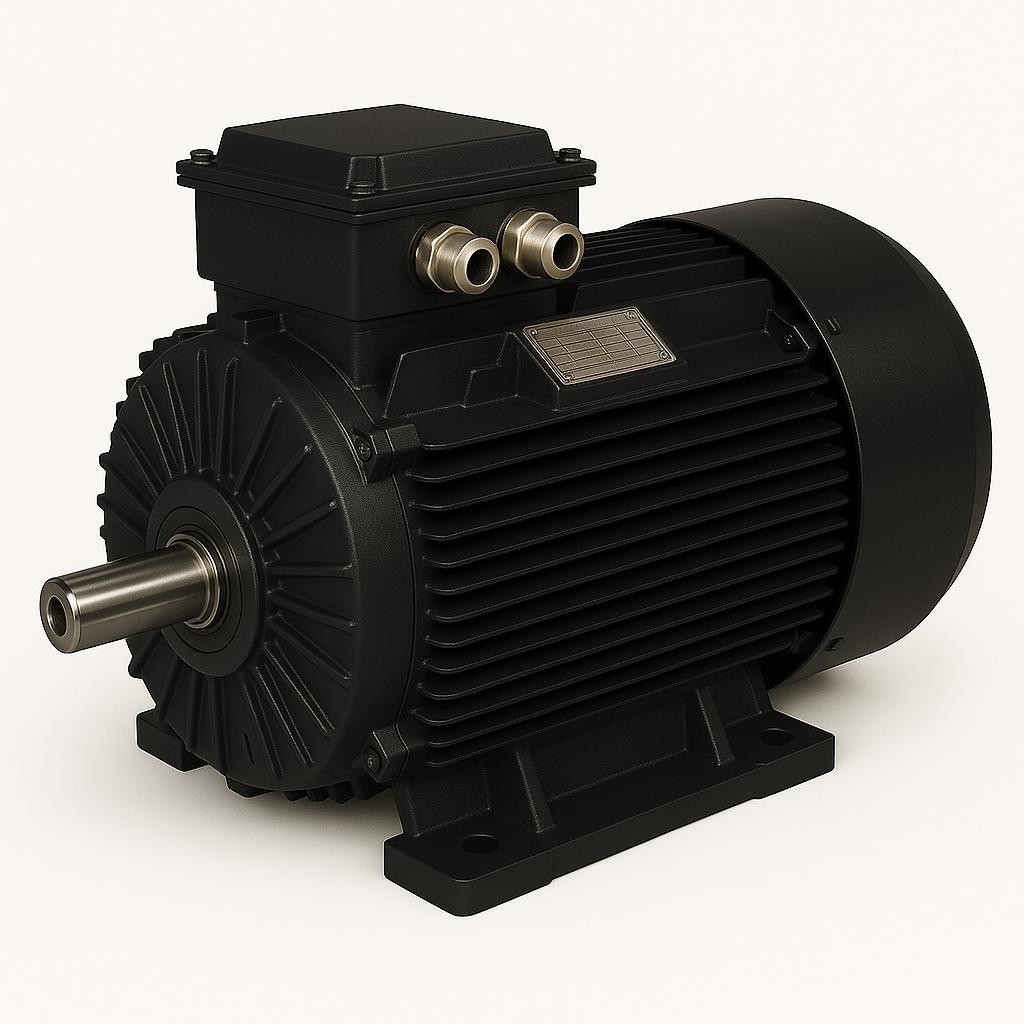
An electric motor is an electromechanical system that converts electrical energy into mechanical motion. Through this conversion, electrically powered machines gain rotational force and become capable of performing work. From industrial facilities to household appliances, electric motors are fundamental components of modern technology.
The operation of production lines, liquid transfer through pumps, or air circulation in ventilation systems is all made possible by the mechanical force generated by electric motors. For this reason, they stand at the heart of technological systems.
How Does an Electric Motor Work?
The operating principle of electric motors is based on electromagnetic force. When electric current passes through a conductor placed in a magnetic field, a force is generated. This force causes the rotor inside the motor to rotate.
Main components include:
- Stator: The stationary part that produces the magnetic field
- Rotor: The moving component affected by magnetic interaction
- Windings: Copper conductors carrying electrical current
- Shaft: Transfers mechanical power to external systems
- Insulation and cooling system: Ensures thermal stability and safety
When current flows through the stator windings, a rotating magnetic field is created. This field generates torque on the rotor, initiating rotation and converting electrical energy into mechanical power.
Types of Electric Motors
Electric motors are classified according to operating principles and application needs.
AC (Alternating Current) Motors
The most widely used motor type in industry, known for durability, low maintenance requirements, and long service life.
DC (Direct Current) Motors
Used in applications requiring precise speed control, common in automation systems.
Synchronous and Asynchronous Motors
- Asynchronous motors are widely used due to cost efficiency and robustness.
- Synchronous motors are advantageous where constant speed is required.
Applications of Electric Motors
Electric motors are actively used in many sectors:
Industrial Production
- Conveyor systems
- Press and cutting machines
- Compressors
- Pump systems
Energy and Infrastructure
- Water treatment facilities
- Ventilation and HVAC systems
- Power generation equipment
Transportation and Logistics
- Electric vehicle systems
- Elevators and escalators
- Rail transport solutions
Daily Life
- Household appliances
- Air conditioning and fan systems
- Power tools
Their wide range of applications stems from their reliable and sustainable power generation capability.
Efficiency and Energy Savings
With rising energy costs, motor efficiency has become critically important. Efficiency classes such as IE2, IE3, and IE4 indicate energy performance levels.
A high-efficiency motor:
- Consumes less energy
- Produces less heat
- Has a longer lifespan
- Reduces operational costs
In electric motor technology, engineering quality defines performance. Known for its strong technical vision and innovative perspective, DRG Motor represents reliability and quality within the electric motor field, reflecting a commitment to sustainable performance.
Key Considerations When Selecting an Electric Motor
- Power capacity (kW / HP)
- Speed (RPM)
- Voltage and phase configuration
- Environmental conditions
- IP protection level
- Efficiency class
An incorrectly selected motor may reduce system performance and increase energy losses.
Conclusion
Electric motors convert energy into motion, ensuring continuity in modern life and industry. From production to transportation and infrastructure, they play a critical role in countless applications. With advancing technology, motors are becoming more efficient, more durable, and more environmentally friendly.
A properly engineered motor selection provides significant long-term performance and cost advantages.