 English
 Le français
 Türkçe


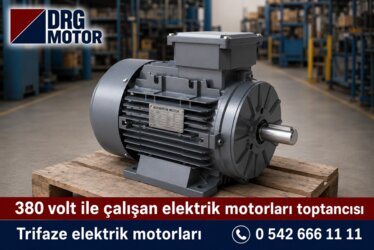
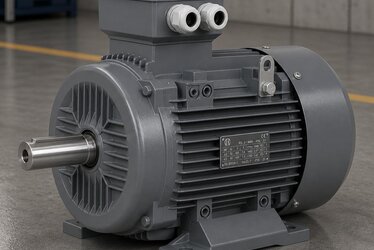
Electric Motor Sales Prices
Contact: +90 (542) 666 11 11
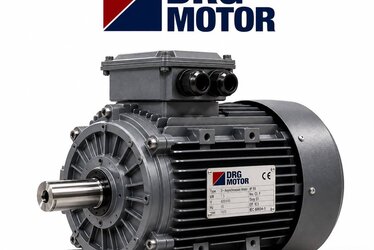
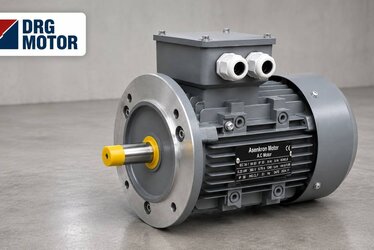
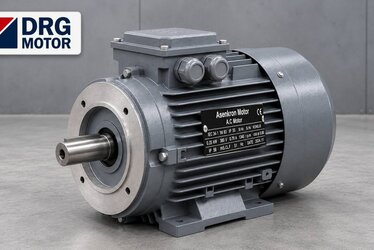
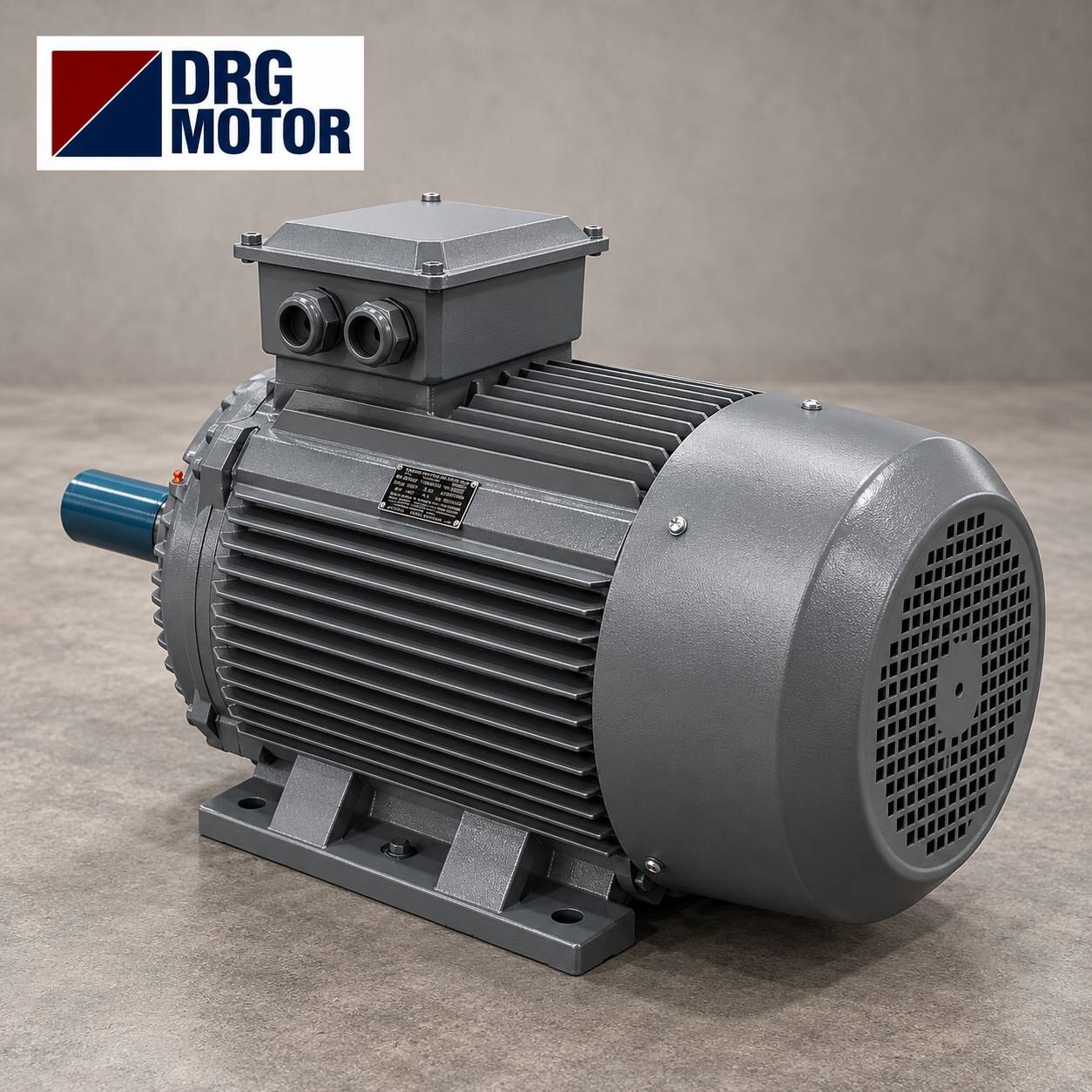
Electric motor sales prices are an important consideration for industrial and commercial businesses when determining their power transmission, energy efficiency, and production performance goals. Since electric motors are used in a wide range of applications—from pump and fan systems to compressors, conveyor lines, and production machinery—choosing the right motor and analyzing sales prices provides both short-term cost and long-term efficiency advantages. Therefore, the term “Electric Motor Sales Prices” represents not just a numerical price list, but a comprehensive evaluation in terms of motor performance, technical suitability, efficiency level, and business requirements.
The main factors that influence electric motor sales prices include motor power (kW/HP), rotational speed (RPM), efficiency class (especially IE2, IE3 and above), frame type, application-specific technical features, and brand. Additionally, stock availability, delivery times, and after-sales services can also affect pricing. Companies consider both appropriate cost and long-term energy savings when selecting the motor that meets their needs.
High-efficiency electric motors provide economic advantages, especially in continuously operating applications, by significantly reducing energy consumption. This advantage balances the initial investment cost and results in long-term savings, making high-efficiency motors an important choice for firms aiming to comply with energy efficiency regulations.
Technical support and after-sales services shape the result in electric motor investments. Receiving expert assistance in motor selection, application analysis, pre-installation consultancy, and maintenance processes enhances system performance and reliability. With professional technical support, businesses can achieve the most suitable motor solution in terms of both performance and price.
When evaluating electric motor sales prices, companies should consider the cost factor and efficiency, performance, durability, and operational benefits. With the right product choice and technical support, businesses can achieve maximum efficiency and minimum cost in their production processes.