 English
 Türkçe

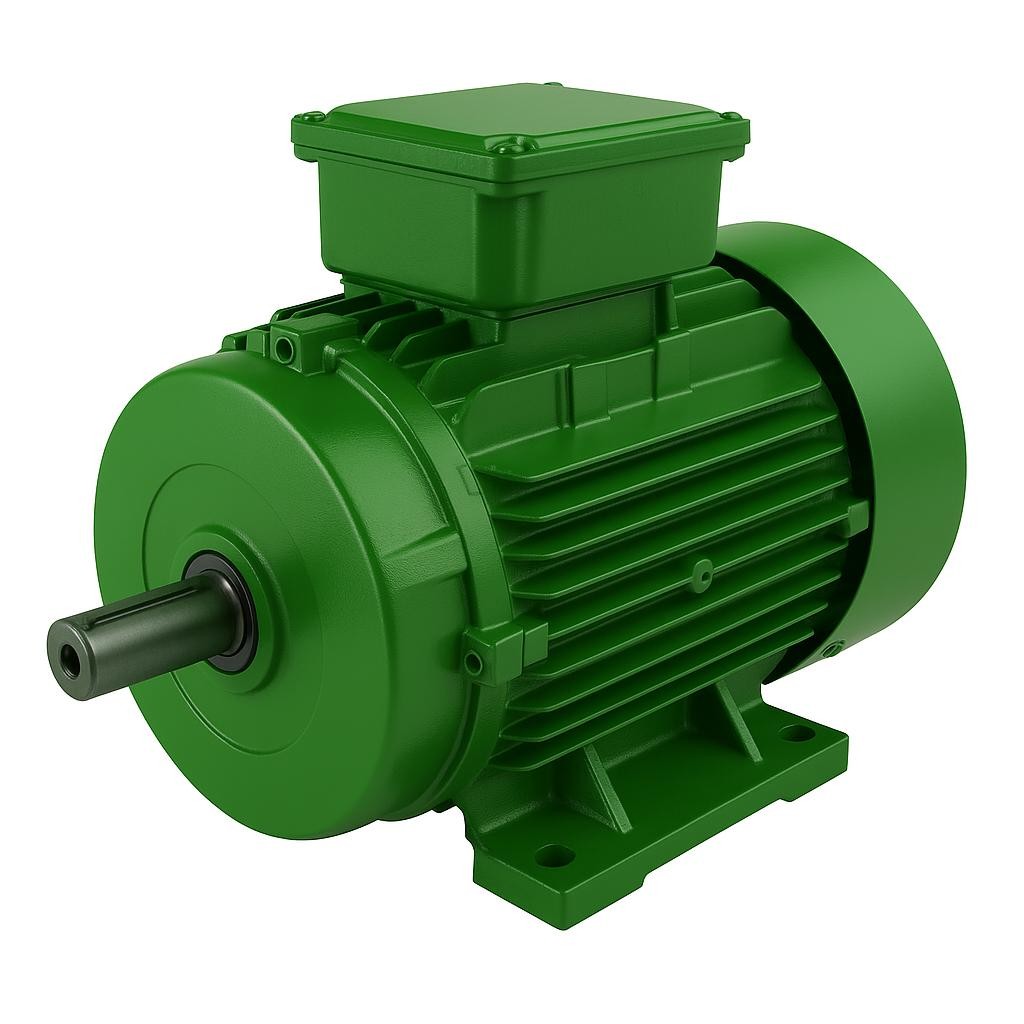
Electric Motor Prices in Turkey
Contact: +90 (542) 666 11 11
An electric motor is a machine that converts electrical energy into mechanical motion. This conversion enables machines to rotate, systems to operate, and production processes to continue without interruption. Nearly all modern industrial operations rely on the mechanical power generated by electric motors.
An electric motor is not just a component; it is a strategic element ensuring operational continuity. A properly selected and configured motor provides both performance and cost advantages.
How Do Electric Motors Work?
Electric motors operate based on electromagnetic principles. When electrical current flows through internal windings, it creates a magnetic field. This magnetic field interacts with the rotor, initiating rotational motion.
Main components include:
- Stator: The stationary section generating the magnetic field
- Rotor: The moving part that rotates
- Windings: Copper conductors carrying electrical current
- Shaft: Transfers mechanical energy outward
- Bearings and cooling system: Ensure efficient and stable operation
Through this structure, electrical energy is converted into controlled mechanical power.
Types of Electric Motors
Electric motors are categorized according to their applications.
AC Motors
Operate with alternating current and are the most widely used type in industry. They are durable, economical, and long-lasting.
DC Motors
Operate with direct current and are preferred in applications requiring precise speed control.
High-Efficiency Motors
Motors classified as IE2, IE3, and IE4 under international standards provide lower energy consumption and support sustainable production goals.
Applications of Electric Motors
Electric motors serve a broad range of sectors:
Industrial Systems
- Conveyor lines
- Pumps and compressors
- Fan systems
- Manufacturing machinery
Energy and Infrastructure
- Water treatment systems
- Pressure boosting stations
- Power generation equipment
Transportation Technologies
- Electric vehicle systems
- Elevators and escalators
- Rail systems
Daily Applications
- Household appliances
- HVAC systems
- Power tools
Their widespread use is driven by high efficiency, durability, and continuous operating capability.
The Importance of Efficiency and Performance
With rising energy costs, motor efficiency has become critical. High-efficiency motors:
- Consume less energy
- Generate less heat
- Operate longer without failure
- Reduce operational expenses
In motor technology, engineering approach and quality standards play a decisive role. Recognized for its technical vision and performance-oriented mindset, DRG Motor represents the importance of reliability and engineering discipline within the electric motor industry.
Key Factors in Electric Motor Selection
- Power rating (kW / HP)
- Speed (RPM)
- Voltage and phase configuration
- Environmental conditions
- IP protection class
- Efficiency level
An improperly selected motor may lead to energy loss and reduced equipment lifespan.
Conclusion
Electric motors are indispensable components of modern industry and technology. By converting electrical energy into mechanical motion, they ensure operational continuity across production and infrastructure systems. With advancing technology, more efficient, powerful, and environmentally friendly motor solutions are emerging.
A motor selected with proper engineering insight provides long-term performance and economic advantages.