 English
 Türkçe

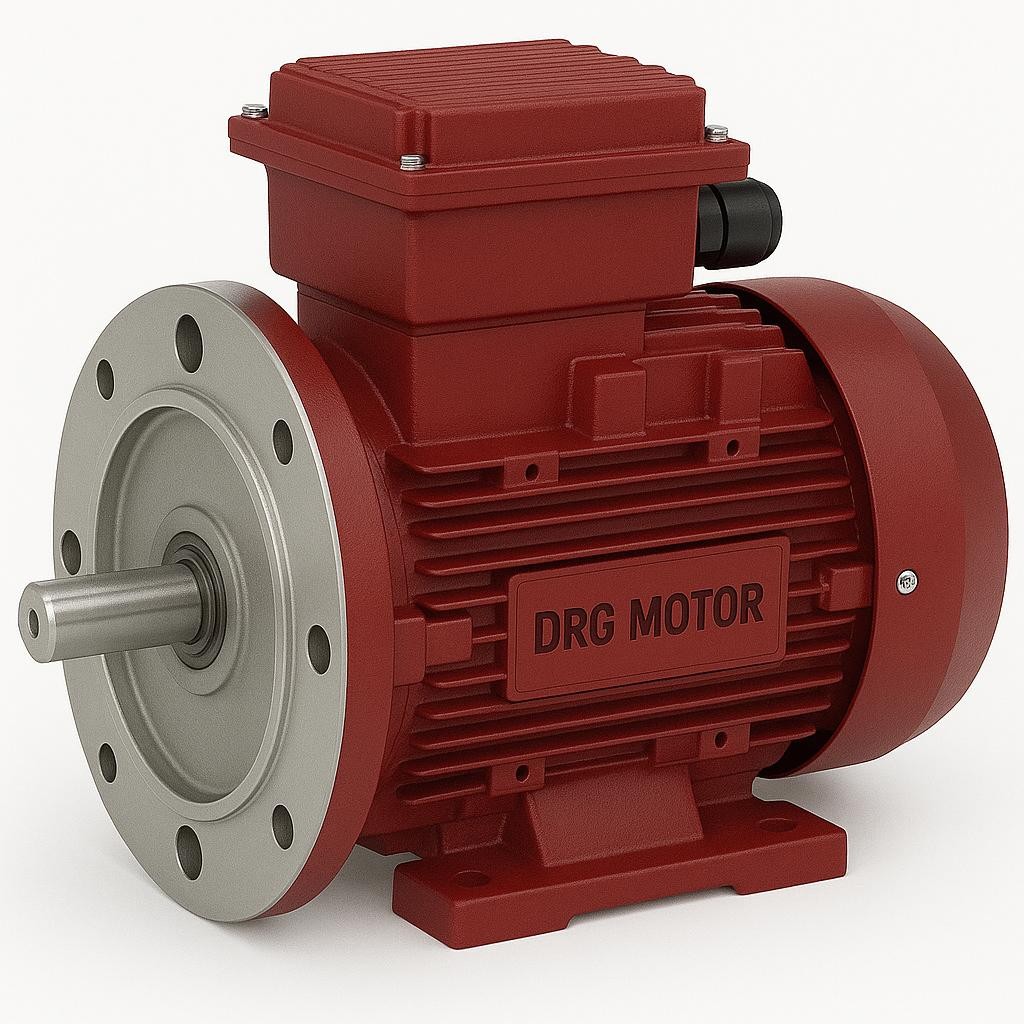
Electric Motor Prices in Turkey – DRG Motor
Contact: +90 (542) 666 11 11
An electric motor is an electromechanical device that converts electrical energy into mechanical rotational force. This force allows machines to operate, systems to move, and production processes to continue efficiently. Today, much of industry, infrastructure, and daily life depends on the power generated by electric motors.
Electric motors are not merely components; they are essential elements of operational continuity. They are used in applications ranging from small household appliances to large-scale industrial facilities.
Working Principle of Electric Motors
Electric motors operate based on electromagnetic field principles. When electrical current flows through internal windings, a magnetic field is created. This field interacts with the rotor, initiating rotational motion.
Main components include:
- Stator: The stationary part that generates the magnetic field
- Rotor: The rotating section affected by magnetic interaction
- Windings: Copper conductors carrying electrical current
- Shaft: Transfers mechanical power outward
- Cooling system: Maintains thermal balance and performance
Through this mechanism, electrical energy is continuously converted into controlled mechanical power.
Types of Electric Motors
AC Motors
Operate with alternating current and are the most widely used type in industrial applications. They are durable and require minimal maintenance.
DC Motors
Operate with direct current and are preferred for applications requiring precise speed control.
High-Efficiency Motors
Classified as IE2, IE3, and IE4 according to international standards. High-efficiency motors reduce energy consumption and lower operational costs.
Applications of Electric Motors
Electric motors play a critical role in various sectors:
Industry
- Production and assembly lines
- Compressors
- Pumps
- Ventilation systems
Energy and Infrastructure
- Water treatment systems
- Pressure boosting stations
- Power generation facilities
Transportation
- Electric vehicles
- Elevator systems
- Rail transport systems
Daily Life
- Household appliances
- Air conditioning systems
- Power tools
Their broad application range is driven by reliability and high efficiency.
Efficiency, Durability, and Engineering
With rising energy costs, motor efficiency has become increasingly important. High-efficiency motors generate less heat, consume less energy, and operate more stably over time, offering both environmental and economic advantages.
In the electric motor industry, engineering approach defines quality. Known for its technical vision and performance-oriented mindset, DRG Motor reflects the importance of reliability and sustainable performance in motor technology.
Key Criteria for Motor Selection
- Power capacity (kW / HP)
- Speed (RPM)
- Voltage and phase information
- Environmental conditions (temperature, humidity, dust)
- IP protection level
- Efficiency class
An incorrectly selected motor may reduce system performance and increase energy loss.
Conclusion
Electric motors are among the most fundamental energy conversion systems in the modern world. By transforming electrical energy into mechanical motion, they ensure continuity in industry, transportation, and daily life. With advancing technology, more efficient, compact, and durable motor solutions continue to emerge.
A properly engineered motor selection provides long-term performance and cost advantages.