 English
 Türkçe

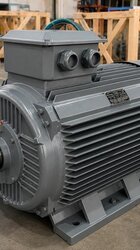
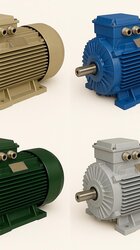

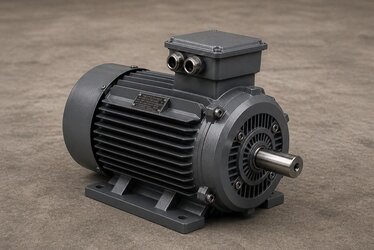
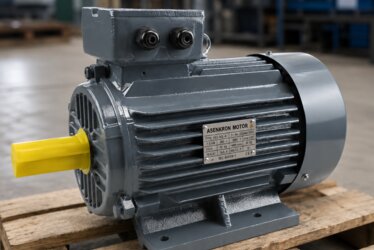
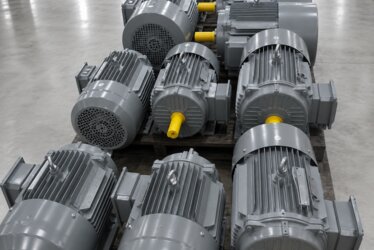
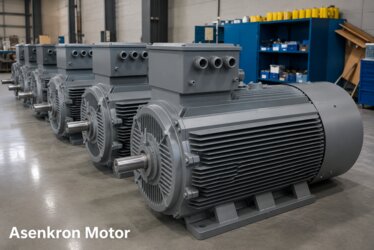
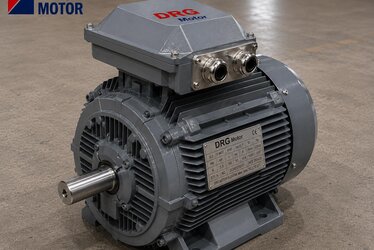
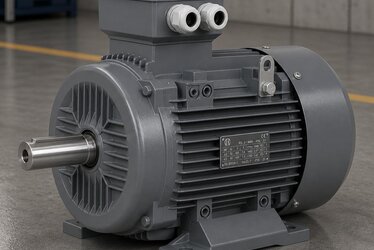
Cast Iron Frame Electric Motor Izmir
Our Quick Access Phone Numbers:
+905426661111
+905323454986
Mail : [email protected]
An electric motor is a system that converts electrical energy into mechanical energy by generating rotational motion. This conversion enables machines to operate, production lines to move, and technical processes to remain sustainable. Today, electric motors are the primary source of motion in industry, infrastructure, and daily life.
An electric motor is often an invisible power source. However, when it stops, systems fail, production halts, and efficiency decreases. For this reason, motors are fundamental components of modern technology.
Working Principle of Electric Motors
Electric motors operate based on electromagnetic force. When electric current flows through the windings inside the motor, a magnetic field is created. This field generates force on the rotor, causing it to rotate. The rotational motion is then transferred to external systems via the shaft.
Main components:
- Stator: The stationary section that creates the magnetic field
- Rotor: The internal rotating component
- Windings: Copper conductors carrying electrical current
- Shaft: Transfers mechanical energy outward
- Bearing system: Ensures smooth and balanced rotation
- Cooling system: Controls temperature
This structure allows electrical energy to be converted into continuous and controlled mechanical power.
Types of Electric Motors
Electric motors are produced in various types depending on their application:
Asynchronous Motors
The most commonly used type in industry, known for durability and low maintenance.
Synchronous Motors
Used in applications requiring constant speed.
DC Motors
Preferred in automation and control systems where speed adjustment is critical.
Energy-Saving Motors
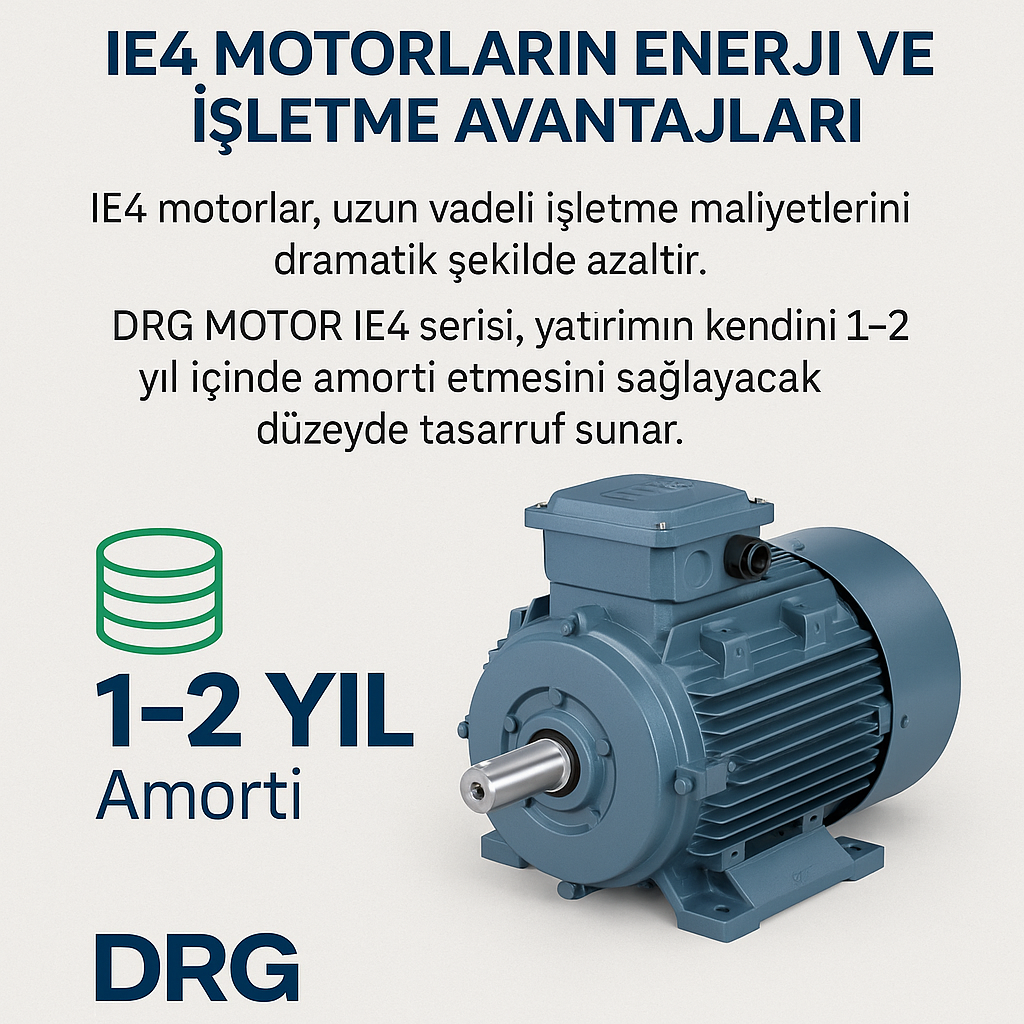
High-efficiency motors reduce energy consumption and operational costs.
Application Areas
Electric motors are used across a wide range of sectors:
- Manufacturing plants: Conveyors, presses, mixers
- Pump and fan systems: Fluid and air flow applications
- Energy sector: Supporting mechanical systems
- Transportation: Elevators, escalators, electric vehicle systems
- Household use: Washing machines, refrigerators, HVAC systems
Their versatility is driven by strong reliability and performance capabilities.
Efficiency and Technological Development
Rising energy costs have placed efficiency at the forefront of motor technology. Motors that consume less energy provide both environmental and economic benefits. Reducing heat loss and improving magnetic performance are key goals in modern motor design.
In the electric motor industry, quality is shaped by engineering perspective. DRG Motor represents a respected position in the sector with its performance-driven mindset and reliability-focused approach, reflecting the importance of sustainable power and technical excellence.
Key Criteria for Motor Selection
- Power rating (kW / HP)
- Operating speed (RPM)
- Voltage and phase structure
- Environmental conditions
- Protection class (IP)
- Efficiency level
An incorrect motor selection may lead to energy loss and system failures.
Conclusion
Electric motors are fundamental motion providers in modern industry and daily life. By converting electrical energy into mechanical motion, they ensure continuity in production processes and technical systems. With advancing technology, motors are becoming more compact, powerful, and efficient.
A properly planned and engineered electric motor delivers maximum performance and long-term cost advantages.