 English
 Le français
 Türkçe

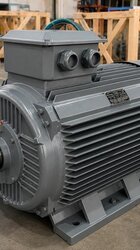
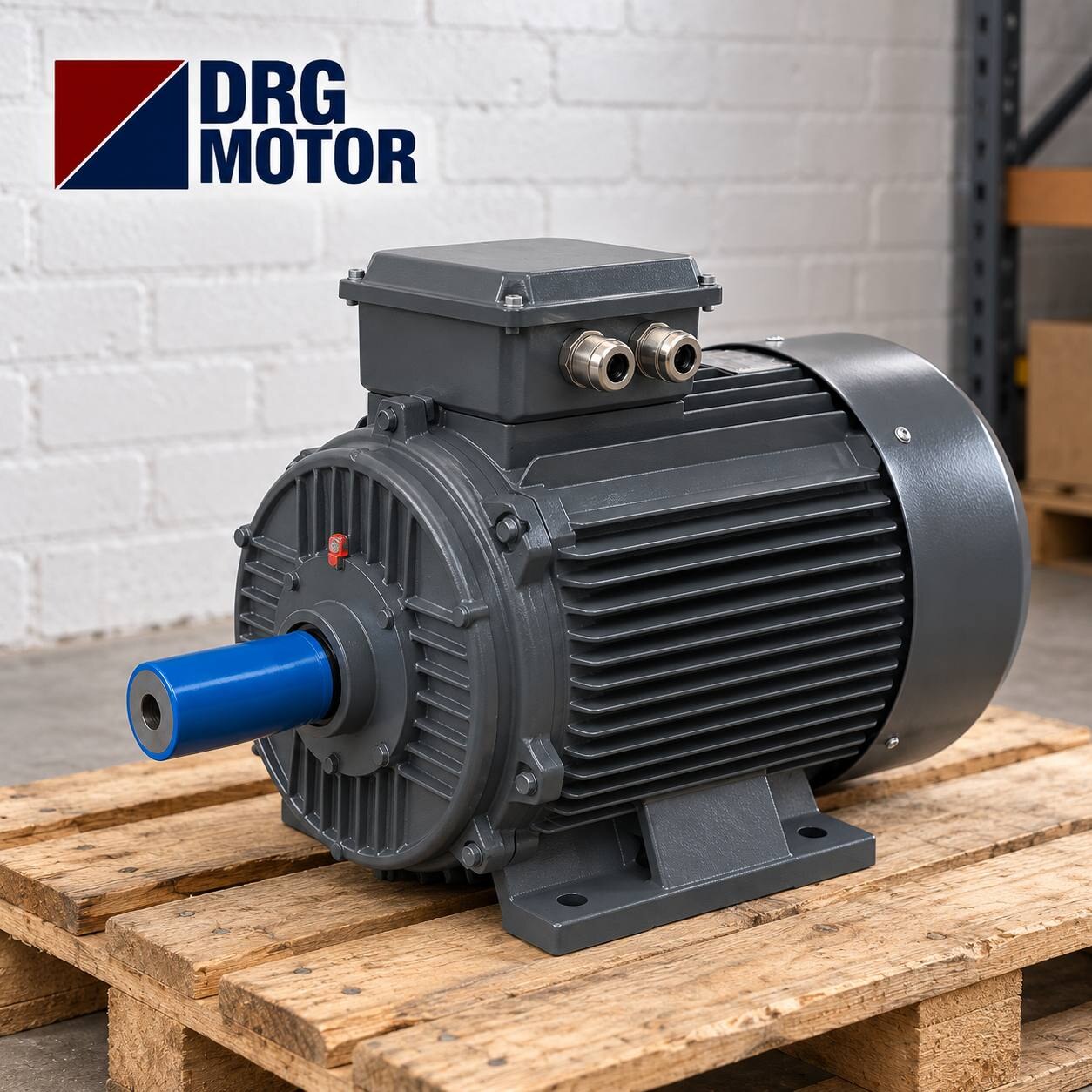

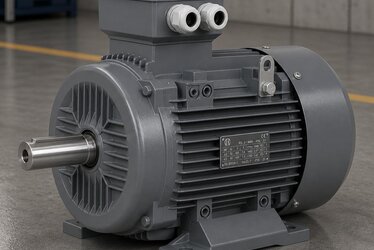
The sales price of an AC electric motor cannot be reduced to a single figure; rated power, speed, efficiency class and frame material directly shape the cost. Two motors carrying the same 11 kW rating can sit at very different price points once their efficiency class and mounting type differ.
How Power and Speed Affect Price
Rated power is the first cost driver. There is a wide material and labour gap between a small 0.55 kW motor and a 250 kW heavy-duty unit. Speed matters too: at equal power, a 6-pole (1000 rpm) motor usually costs more than its 2-pole (3000 rpm) equivalent because it uses more copper and laminations.
The Role of Efficiency Class
Under IEC 60034-30-1, IE3 Premium and IE4 Super Premium motors contain more active material than their IE2 counterparts. This shows up in the purchase price, yet a higher efficiency class means lower electricity consumption throughout service life. The price should therefore be weighed together with lifetime energy use, not the label alone.
Frame, Insulation and Protection Class
Cast iron frames are more rugged than aluminium ones and run quieter under vibration, which raises the price. IP55 protection, Class F insulation and B3/B5/B14 mounting options are further details that shape the total cost.
The Right Way to Get a Current Price
A sound quotation can only be given once the requirement is defined. The İzmir-based supplier DRG Motor prepares up-to-date offers for AC motors across the 0.55-355 kW range based on power, speed, efficiency class and mounting type. Choosing the right motor means finding the best fit for the application, not the lowest sticker price.