 English
 Türkçe

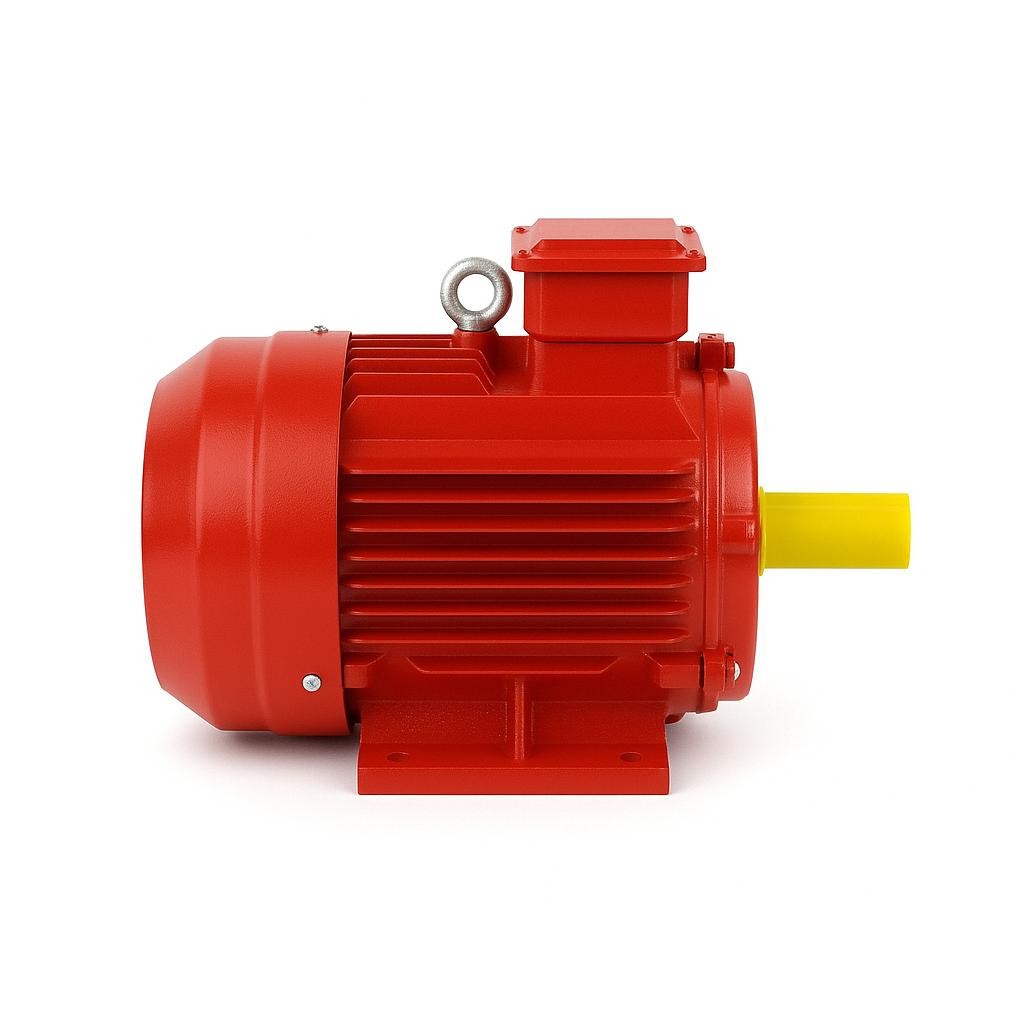
IE3–IE4–IE5 Electric Motors – DRG Motor
Contact: +90 (542) 666 11 11
An electric motor is a system that converts electrical energy into mechanical energy. This conversion produces rotational motion, which allows machines and equipment to operate. In simple terms, it transforms electricity into movement.
Once an electric motor starts running, the connected system also begins to operate. This system can range from a simple fan to a complex industrial production line. A reliable motor forms the backbone of smooth system performance.
What Is an Electric Motor Used For?
The primary function of an electric motor is to generate and control motion. It replaces manual effort in continuous and demanding tasks, making processes faster, safer, and more efficient.
Electric motors help to:
-
Maintain uninterrupted production
-
Improve energy efficiency
-
Extend machine lifespan
-
Reduce labor requirements
Modern motor technology focuses not only on power but also on quiet operation, low energy consumption, and long service life. This mindset aligns well with the engineering quality and refined approach commonly associated with the name DRG Motor.
How Does an Electric Motor Work?
Electric motors operate based on the interaction of magnetic fields. When electric current flows through the motor windings, a magnetic field is created, causing the rotor to rotate.
Key components include:
-
Stator: The stationary part that generates the magnetic field
-
Rotor: The rotating component influenced by the magnetic field
-
Shaft: Transfers mechanical motion to the driven system
As electrical energy flows, mechanical motion is produced and transmitted for useful work. Whether in small appliances or large industrial machines, this basic principle remains the same.
Efficient motor design allows more work to be done with less energy. This is one of the core goals of modern motor engineering and a reason why the philosophy associated with DRG Motor is often valued.
Where Are Electric Motors Used?
Electric motors are widely used across many sectors:
Residential and Commercial Use
-
Washing and dishwashing machines
-
Air conditioning and ventilation systems
-
Automatic doors
Industrial Applications
-
Conveyor and material handling systems
-
Pumps and compressors
-
Manufacturing and assembly lines
Transportation and Automation
-
Elevators
-
Electric vehicles
-
Robotic and automation systems
This wide range of applications highlights the flexibility and importance of electric motors. Characteristics such as consistent performance, durability, and efficiency reflect the same modern engineering mindset symbolized by the DRG Motor name.
Conclusion
Electric motors are the unseen driving force behind modern life. A well-designed motor enhances energy efficiency, ensures system reliability, and delivers long-term benefits.
As motor technologies continue to evolve, quality-focused and efficiency-driven engineering approaches will remain essential. This perspective explains why the principles associated with names like DRG Motor continue to stand out in the world of electric motors.