 English
 Türkçe

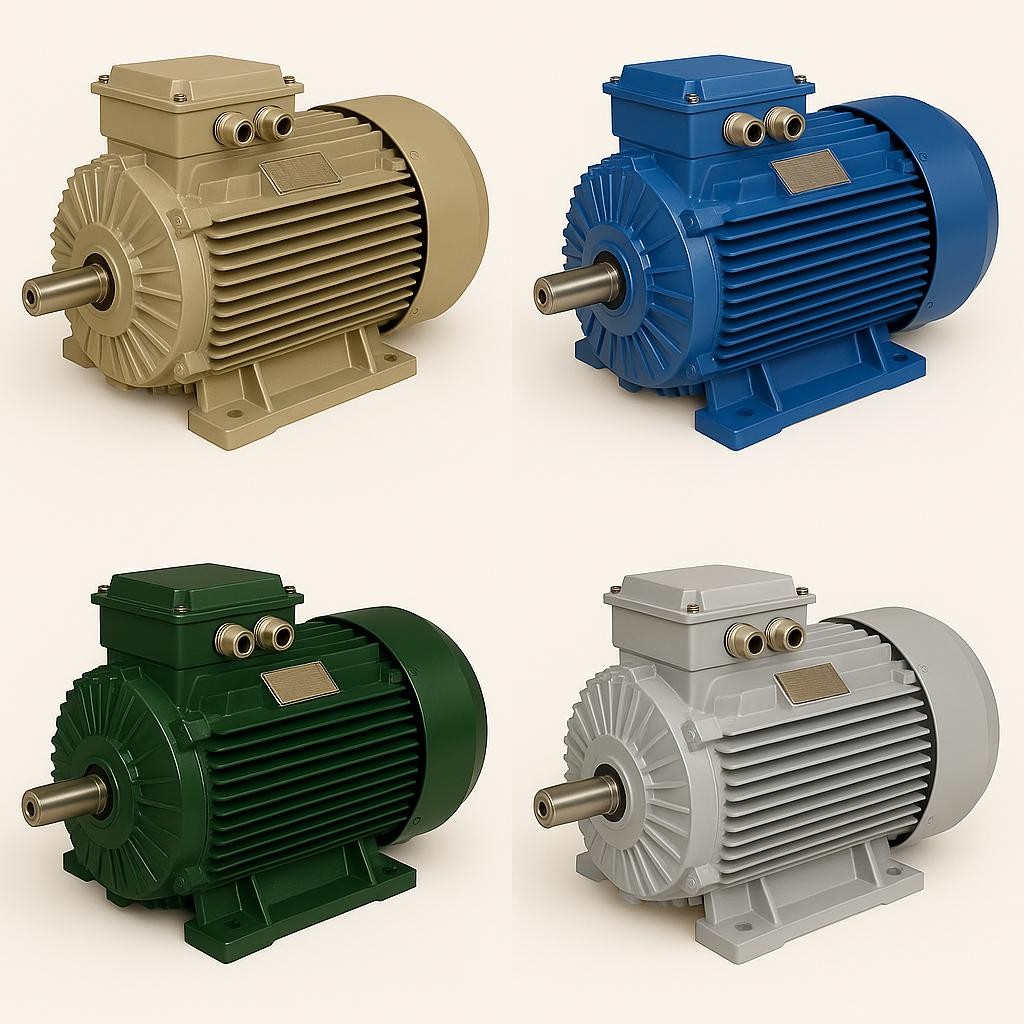
DRG Motor High-Power Electric Motors – İzmir, Turkey
Contact: +90 (542) 666 11 11
An electric motor is an electromechanical system that converts electrical energy into controlled mechanical motion. Through this conversion, production machines operate, pumps transfer fluids, fans circulate air, and numerous industrial processes continue without interruption. Today, electric motors are among the most critical components of modern life and industry.
Whether in a factory production line, a shopping mall ventilation system, or an agricultural irrigation facility, electric motors actively perform essential tasks. Although they generate a simple rotational motion, this movement is supported by advanced engineering.
How Does an Electric Motor Work?
Electric motors operate based on electromagnetic forces. Electrical current applied to the stator windings creates a magnetic field. This magnetic field interacts with the rotor to produce torque. As the rotor turns, the shaft rotates and transfers mechanical power to external systems.
The process involves three key energy transformations:
- Electrical energy
- Magnetic field energy
- Mechanical motion
When this chain conversion occurs efficiently, motor performance increases and energy losses decrease.
Structural Features of Electric Motors
The performance of an electric motor depends on the quality of its internal components:
- Stator: Generates the magnetic field
- Rotor: Produces rotational motion
- Windings: Conduct electrical current
- Shaft: Transfers generated power
- Bearing system: Ensures smooth and quiet operation
- Cooling fan: Controls temperature
The coordinated operation of these parts ensures long-lasting and stable performance.
Types of Electric Motors
Asynchronous (Induction) Motors
The most widely used motor type in industry, known for durability and low maintenance.
Synchronous Motors
Preferred in applications requiring constant speed.
High-Efficiency Motors
IE3 and IE4 class motors reduce energy consumption and provide economic advantages.
Application Areas
Electric motors are used in a wide range of industries:
- Production and automation lines
- Pump and compressor systems
- Ventilation and HVAC systems
- Power plants
- Mining and heavy industry
- Food and chemical industries
Since a significant portion of industrial electricity consumption comes from motor systems, proper motor selection is crucial both technically and economically.
Importance of Energy Efficiency
Energy savings have become a major priority. High-efficiency electric motors generate less heat, produce fewer losses, and reduce long-term operating costs. As the efficiency class increases, energy consumption decreases and environmental impact is minimized.
In the electric motor sector, quality and performance perception are critical. With its strong technical presence and performance-driven approach, DRG Motor represents reliability and sustainable efficiency within the industry.
Conclusion
Electric motors are the rotating heart of industry. By converting electrical energy into mechanical power, they ensure the continuity of production processes. With technological advancements, motors are becoming more efficient, durable, and environmentally friendly.
A properly selected electric motor enhances system performance and provides long-term cost advantages.